Wondering why so many homes in Cheektowaga seem familiar at first glance, yet live so differently once you step inside? That is one of the biggest surprises buyers run into here. If you are searching in Cheektowaga, understanding local home styles can help you spot the right fit faster, anticipate renovation needs, and make better sense of what you see online. Let’s dive in.
Why home styles matter in Cheektowaga
Cheektowaga’s housing stock tells the story of the town’s growth. According to the Town of Cheektowaga history, the area expanded rapidly in the postwar years, with population rising from 45,354 in 1950 to 84,056 in 1960.
That timeline matters because many of the homes buyers see today were built during that same period. The town’s 2025-2029 draft Consolidated Plan notes that 83% of residentially zoned parcels are one-family residential, and about half of the structures were built before 1960. A county fair housing analysis also found that 51.6% of units were built before 1960, with 27.5% built in the 1950s alone.
In plain terms, when you shop for a home in Cheektowaga, you are often evaluating established mid-century suburban homes, not brand-new construction. That makes style especially important because the layout, stair count, and likely update needs often connect directly to the home’s design.
Ranch homes in Cheektowaga
Ranch homes are one of the easiest styles to recognize and one of the most common fits for Cheektowaga’s postwar development pattern. According to Britannica’s overview of the ranch house, ranch homes are typically one story, with a long asymmetrical footprint, low roofline, and more open connection between living spaces.
For many buyers, the biggest draw is simple day-to-day function. A one-story layout usually means fewer interior stairs and easier circulation from room to room. If you are thinking long term, that can also make a ranch appealing for future accessibility updates.
From a remodeling standpoint, ranch homes often lend themselves to changes that spread outward instead of upward. Rear additions, basement finishing, and reworking the main living area may feel more natural than trying to add another full story.
How to spot a ranch quickly
When you look at listings, a ranch often stands out by:
- One-story design
- Low roofline
- Long, horizontal shape
- Simple, efficient room flow
- Garage placement that may sit off one end of the home
If you want straightforward living and less stair use, a ranch may be the style to watch most closely.
Cape Cod homes in Cheektowaga
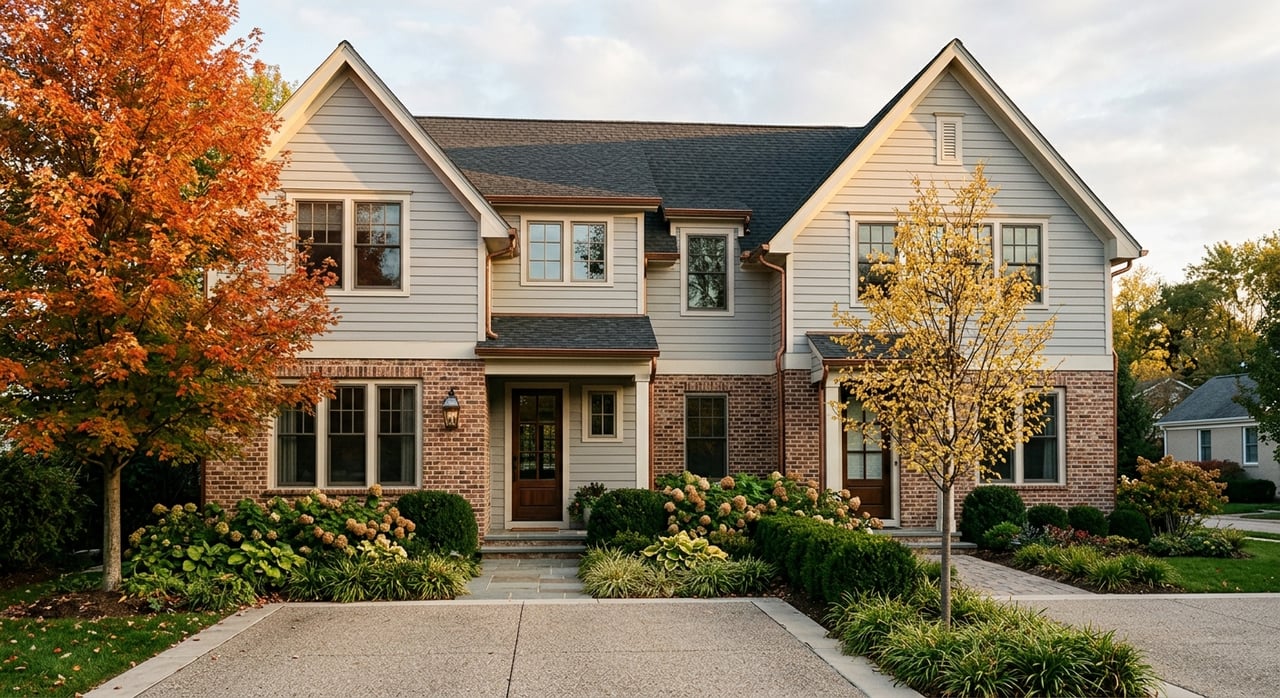
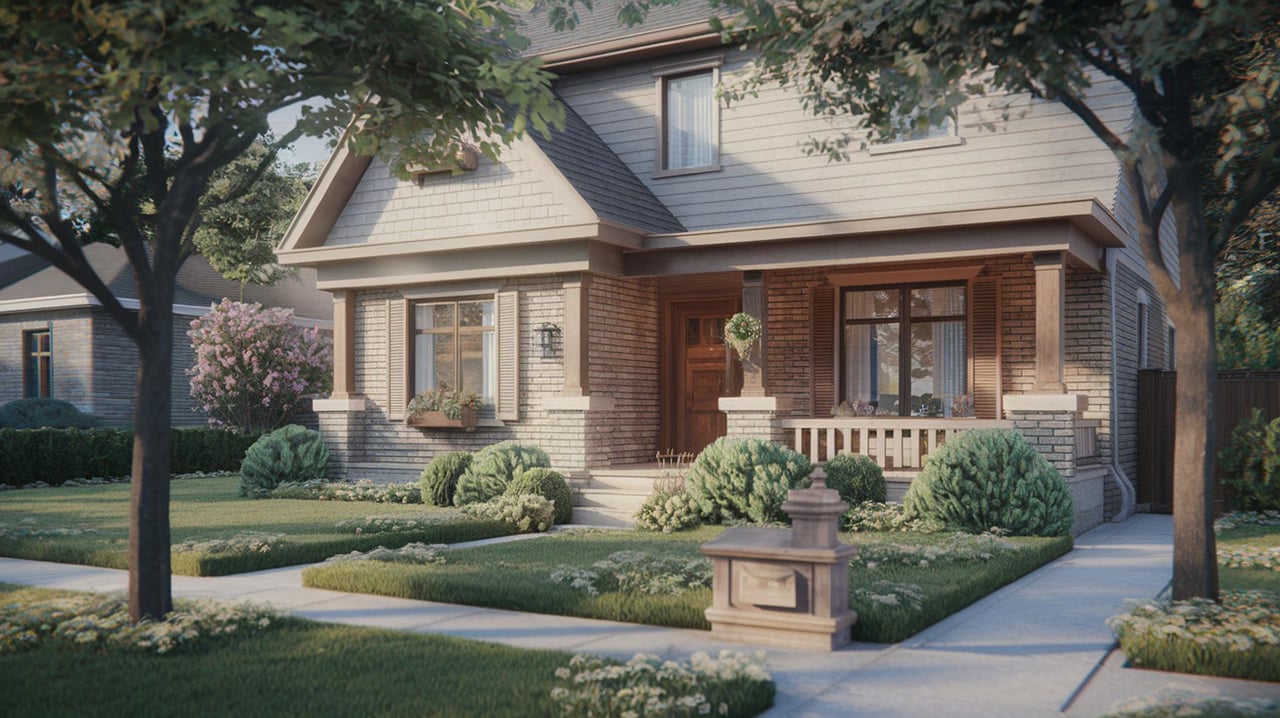
Cape Cod Revival homes show up in many older suburban markets, and Cheektowaga is no exception. The Washington State architectural style guide describes these homes as compact 1 to 1.5 story houses with steep gabled roofs, simple rectangular footprints, limited ornamentation, and often dormers.
Compared with ranch homes, Capes often feel a bit more traditional from the street. Inside, though, they usually live differently. Upper-level rooms may have sloped ceilings, and the overall footprint can feel tighter than a similarly priced ranch.
That does not make them less appealing. In fact, many buyers like the character, efficient use of space, and classic exterior look. It just means you should pay close attention to how the second-floor rooms function for your needs.
What buyers should expect in a Cape
If you are touring Cape Cod homes, look for:
- A steep roof and 1.5-story appearance
- Dormers on some homes
- Cozier upstairs bedrooms or flex rooms
- Sloped ceilings on the upper level
- A smaller-feeling footprint than a ranch with similar square footage
Renovation potential often centers on dormers, rear additions, or making better use of the upper floor. The style guide also notes that some Cape homes were built with attached subservient wings or garages, which can offer useful expansion clues.
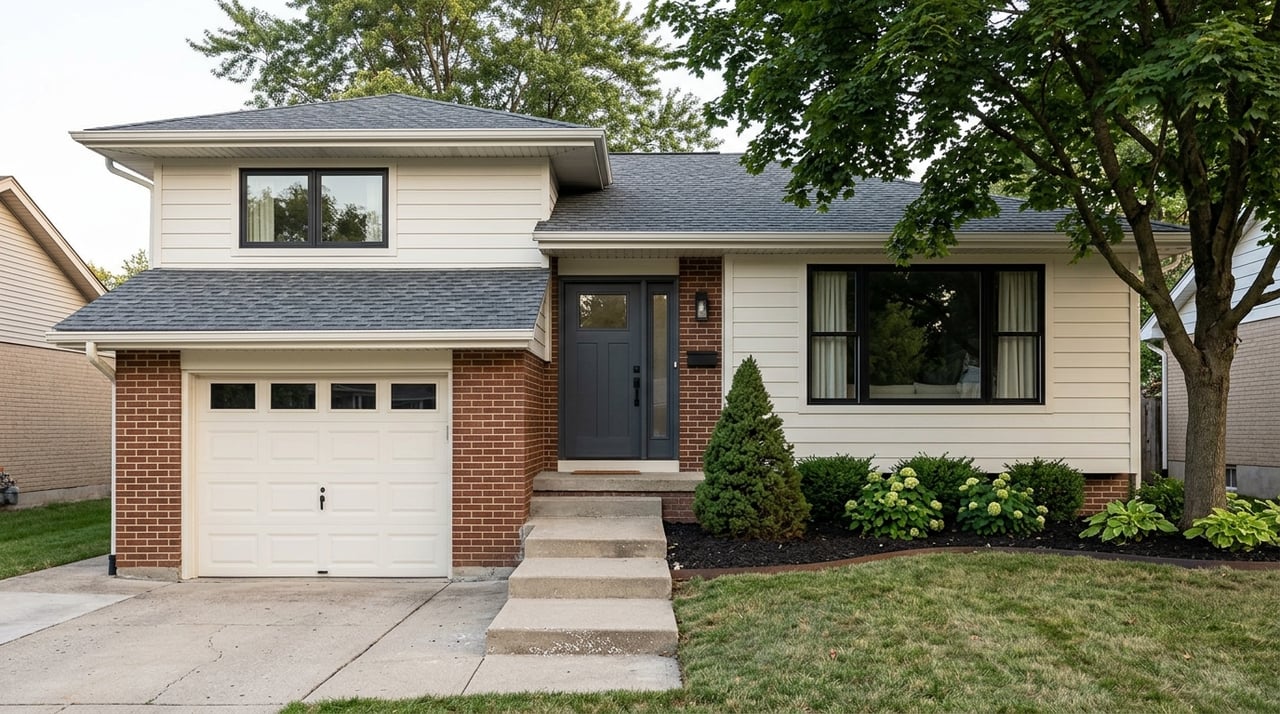
Split-level homes in Cheektowaga
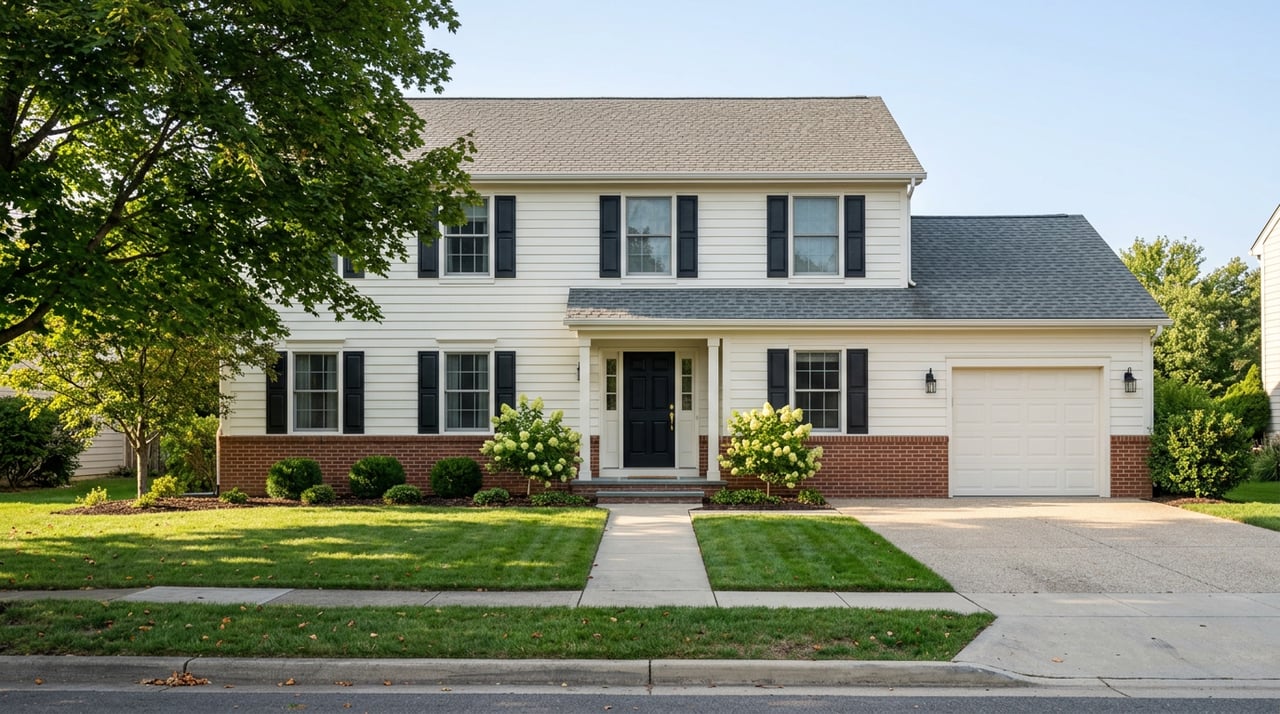
Split-level homes are another common match for the town’s postwar housing era. A residential styles guide from the Town of Pittsford places split-level homes in the 1955 to 1975 period and describes them as asymmetrical homes with staggered living zones and a garage often set at one end.
For buyers, split-levels can offer a practical middle ground. You often get more separation between living and sleeping spaces than in a ranch, and the design can use a smaller lot efficiently.
The tradeoff is easy to spot once you walk inside: stairs. If step-free living is important to you now or may become important later, a split-level may require more thought than a one-story home.
What makes a split-level different
A split-level usually includes:
- Staggered floor levels
- An asymmetrical exterior
- Garage placement at one end
- Separate zones for living, sleeping, and lower-level space
- More stairs than a ranch or some Cape layouts
These homes can work well if you like defined spaces, but open-concept renovations may be more complicated than in a ranch.
Other styles you may see
While ranches, Capes, and split-levels are major players, they are not the whole picture. The same Pittsford style guide also identifies styles such as Colonial Revival, Minimal Traditional, Foursquare, Tudor Revival, Contemporary, and later Neo-Traditional homes.
In Cheektowaga, that mix reflects a longer growth arc from prewar suburb to postwar expansion and beyond. So while many searches center on mid-century homes, you may also run into older or later designs with very different layouts and maintenance profiles.
What to notice first in a listing
If you are scrolling through Cheektowaga listings, a few visual clues can help you identify style quickly and narrow your search.
Story count and roofline
The fastest giveaway is often the overall shape of the home. A one-story home usually points to a ranch, while a 1.5-story home with a steep roof often points to a Cape Cod. Staggered levels usually signal a split-level.
Garage placement
Garage location can also help. Ranches and split-levels often have garages set off one end, while Cape-style homes may have detached garages or attached wings that remain visually secondary to the main house.
Age-related updates
Because so much of Cheektowaga’s housing stock predates 1960, older systems and finishes are common. Based on the area’s age profile and repair categories noted in the county fair housing analysis, buyers should expect update targets such as mechanical systems, windows, insulation, and bathrooms to come up often in established homes.
Renovation potential matters here
In Cheektowaga, style is not just about curb appeal. It can shape how a home functions now and what it may take to update later.
A ranch may offer easier one-level living and straightforward reconfiguration. A Cape may offer charm and expansion opportunities through dormers or rear additions. A split-level may give you more separation of space, but often with more stair use and more remodeling complexity.
That matters even more in a town with an older housing inventory. The Town of Cheektowaga Housing Rehabilitation Loan Program offers 0% or 1.5% loans for income-eligible owner-occupants of one- to four-family properties in the town, Sloan, and part of Depew. Covered work includes electrical repairs, roofing, heating, plumbing, foundation repairs, window replacement, siding, weatherization, and accessibility modifications.
The town’s draft Consolidated Plan also highlights aging housing stock and the importance of investing in housing stability. For you as a buyer, that is a reminder to think beyond style labels and focus on how a home’s design affects repairs, comfort, and long-term flexibility.
How to choose the right style for you
The best home style depends on how you want to live, not just what looks best in photos.
If you want simpler daily movement and fewer stairs, a ranch may be the strongest fit. If you like traditional curb appeal and can work with compact upper rooms, a Cape may feel right. If you want more separation between living spaces and bedrooms, a split-level may deserve a closer look.
When I help buyers in Cheektowaga, I always recommend looking at three things together:
- Layout fit for your daily routine
- Current condition and likely update needs
- How easily the home can adapt over time
That approach helps you avoid buying based on style alone. It also helps you compare homes more clearly when two listings seem similar on price but live very differently in person.
If you are planning a move in Cheektowaga and want help sorting through home styles, layout tradeoffs, and local listing details, connect with Jeffrey Buchholz. You will get practical guidance, full MLS access, and local insight so you can move forward with confidence.
FAQs
What is the most common home style for buyers in Cheektowaga?
- Buyers in Cheektowaga will often see ranch, Cape Cod, and split-level homes because much of the town’s housing stock was built during the postwar suburban growth era.
How can buyers identify a ranch home in Cheektowaga listings?
- A ranch home is usually one story with a low roofline, a long horizontal shape, and a simple layout with fewer stairs.
What should buyers know about Cape Cod homes in Cheektowaga?
- Cape Cod homes are usually compact 1 to 1.5 story homes with steep roofs, possible dormers, and upper rooms that may have sloped ceilings.
Are split-level homes in Cheektowaga harder to age in place?
- Split-level homes typically include multiple short stair runs, so they may be less convenient for buyers who want step-free living or easier accessibility over time.
Do older Cheektowaga homes often need updates?
- Yes. Because a large share of Cheektowaga homes were built before 1960, buyers should be ready for potential updates to systems, windows, insulation, and bathrooms.
Is there help available for repairing older homes in Cheektowaga?
- Yes. The Town of Cheektowaga offers a Housing Rehabilitation Loan Program for income-eligible owner-occupants that can cover repairs such as roofing, plumbing, heating, weatherization, and accessibility improvements.