Wondering what daily life really feels like in Buffalo’s urban neighborhoods? If you want walkable blocks, character homes, shorter commutes, and a lively calendar that shifts with the seasons, the city offers a lot of choice. I work these streets every day with buyers and sellers, and I can help you sort the options. In this guide, you’ll learn how different districts feel, what housing types you’ll find, how transit and weather shape routines, and what to look for when touring. Let’s dive in.
Buffalo’s urban vibe, block by block
Downtown, Canalside, and BNMC
Downtown is the commercial core with high-rise condos, renovated warehouses, and cultural venues. You’ll see weekday energy, restaurants that fill up at lunch and dinner, and seasonal waterfront programming at Canalside. The nearby Buffalo Niagara Medical Campus is a major employment anchor with clinics and research facilities, drawing professionals who want close-to-work living. Learn more about the employment and innovation hub at the Buffalo Niagara Medical Campus.
Elmwood Village and Allentown
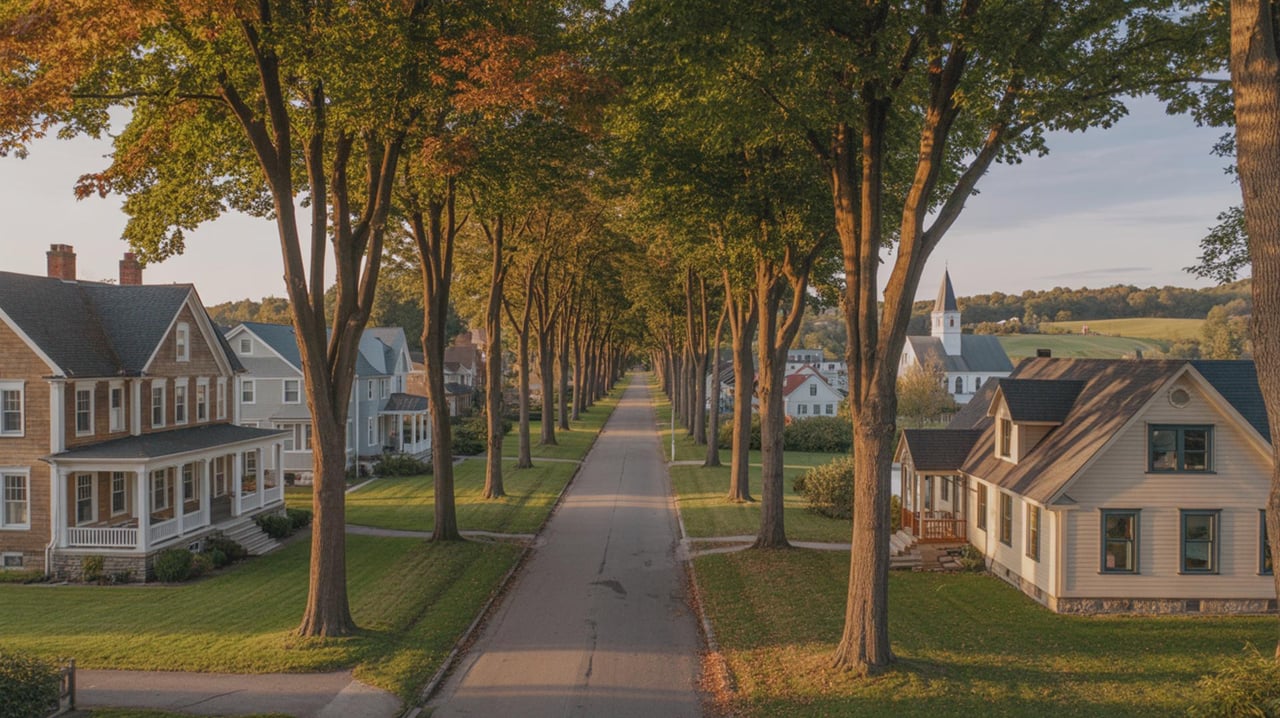
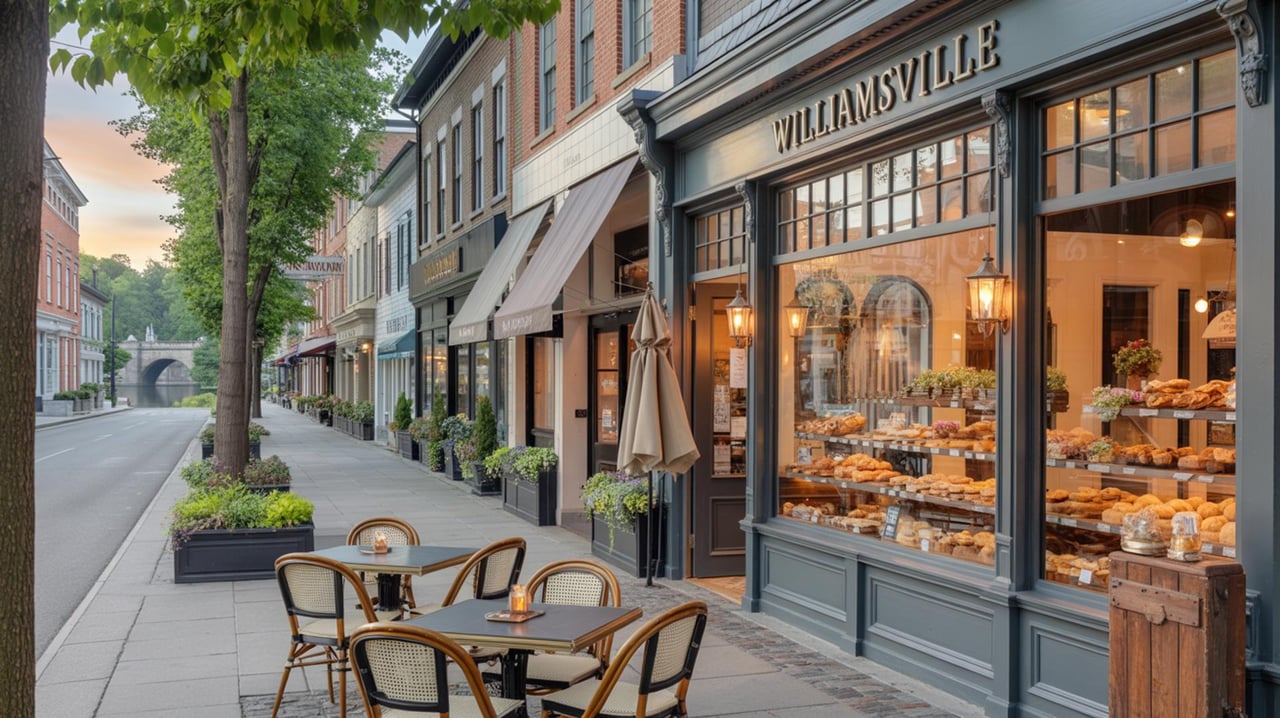
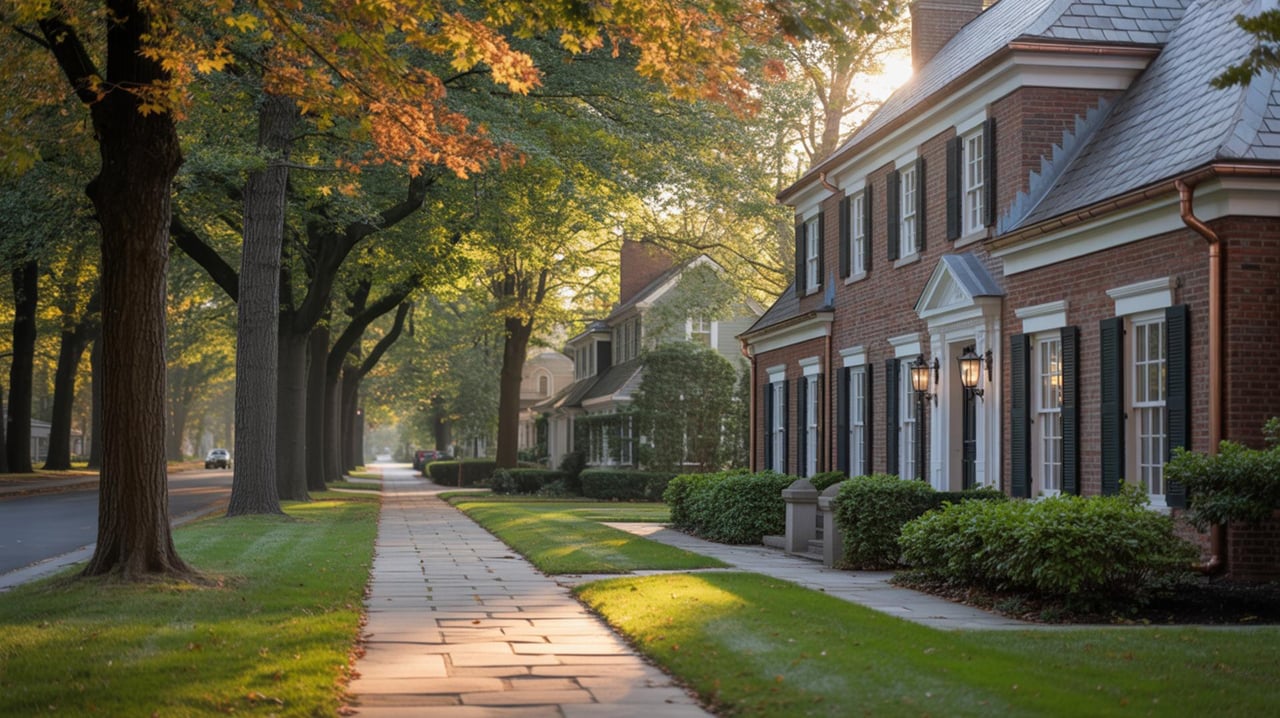
Elmwood Village and Allentown are among the most walkable parts of the city, with tree‑lined streets, boutiques, cafés, and a strong arts presence. You’ll find farmers’ markets, neighborhood festivals, and an active nightlife in Allentown. Many residents choose these blocks for everyday errands by foot and quick access to parks.
Larkin District and South Buffalo
The Larkin District reflects Buffalo’s adaptive-reuse story. Former industrial buildings now hold lofts, offices, and food and entertainment spaces. Larkin Square hosts popular warm‑weather events. South Buffalo mixes established residential blocks with community institutions and access to new venues as redevelopment spreads.
Black Rock, Riverside, and the West Side
These areas blend single-family homes with multifamily buildings and have access to waterfront parks and neighborhood retail corridors. Street life varies by block. Outside the main corridors, you’ll likely rely more on a car, though core stretches offer local shops and dining.
Masten Park and the Fruit Belt
Close to downtown and the medical corridor, these neighborhoods feature older housing stock, including Victorians and duplexes. You’ll see a mix of long-term residents and newcomers connected to nearby employers. Many buyers value the shorter commute and evolving investment in these districts.
Everyday amenities and green space
Across Buffalo’s core neighborhoods, you’ll find cafés, independent grocers, and small professional services on local commercial strips. Seasonal events are part of the rhythm. The city’s waterfront and summer festivals draw crowds, with Canalside and district events promoted by Visit Buffalo Niagara. Delaware Park, part of the Olmsted park system, anchors outdoor recreation, and segments of the RiverWalk give you miles of scenic paths.
Homes and buildings you’ll find
Common home types
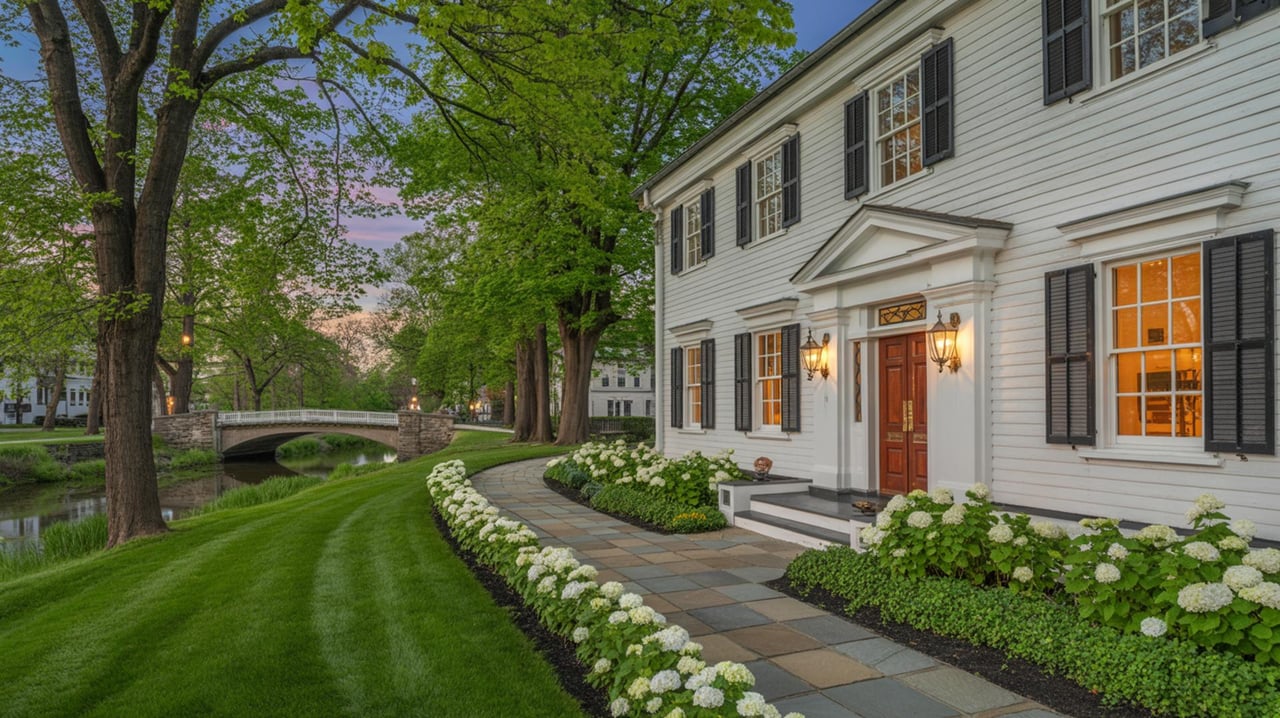
Buffalo’s urban housing is rich in character and age. Many homes date to the late 19th and early 20th centuries. You’ll see:
- Wood‑frame single-family homes like bungalows and foursquares.
- Historic doubles and triplexes, often owner‑occupied or rented.
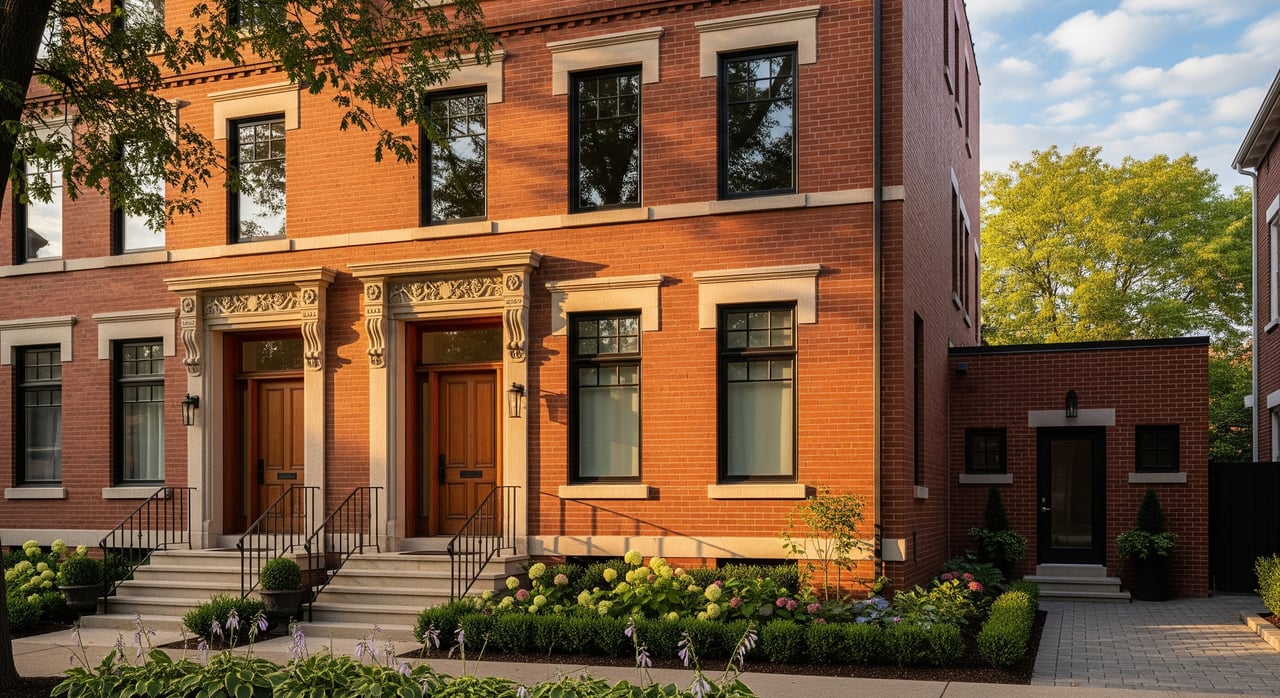
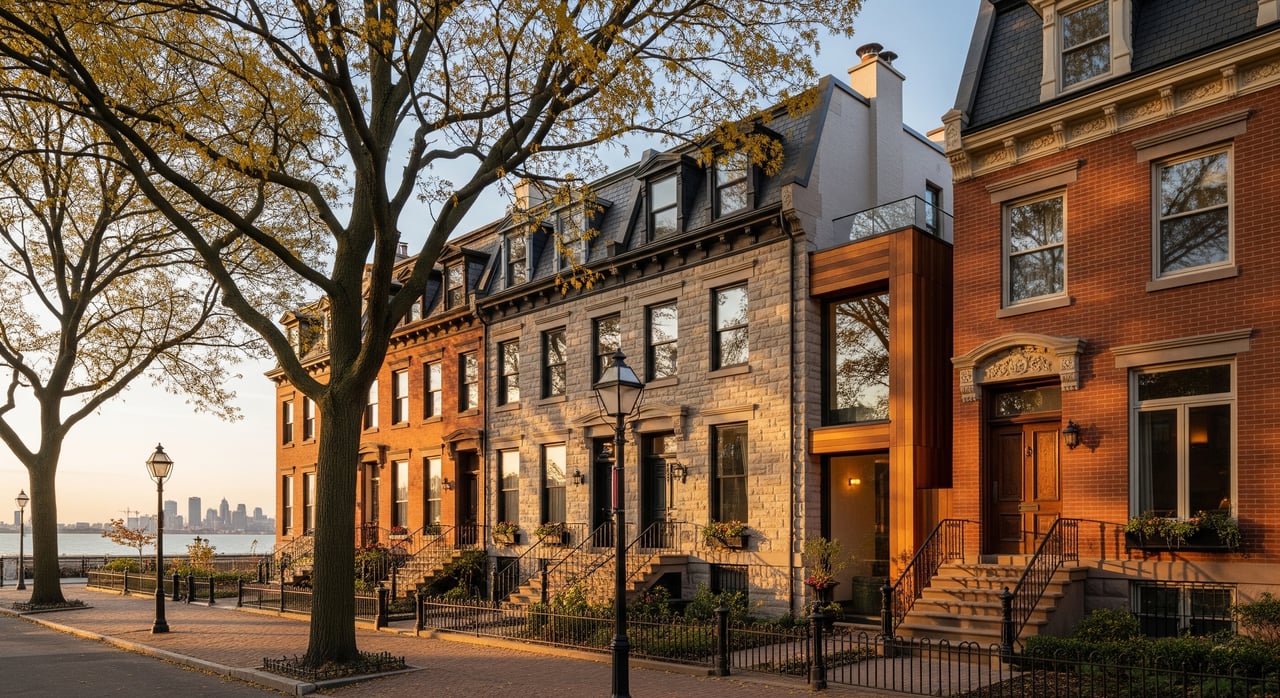
- Brick rowhouses and smaller historic homes in areas like Allentown.
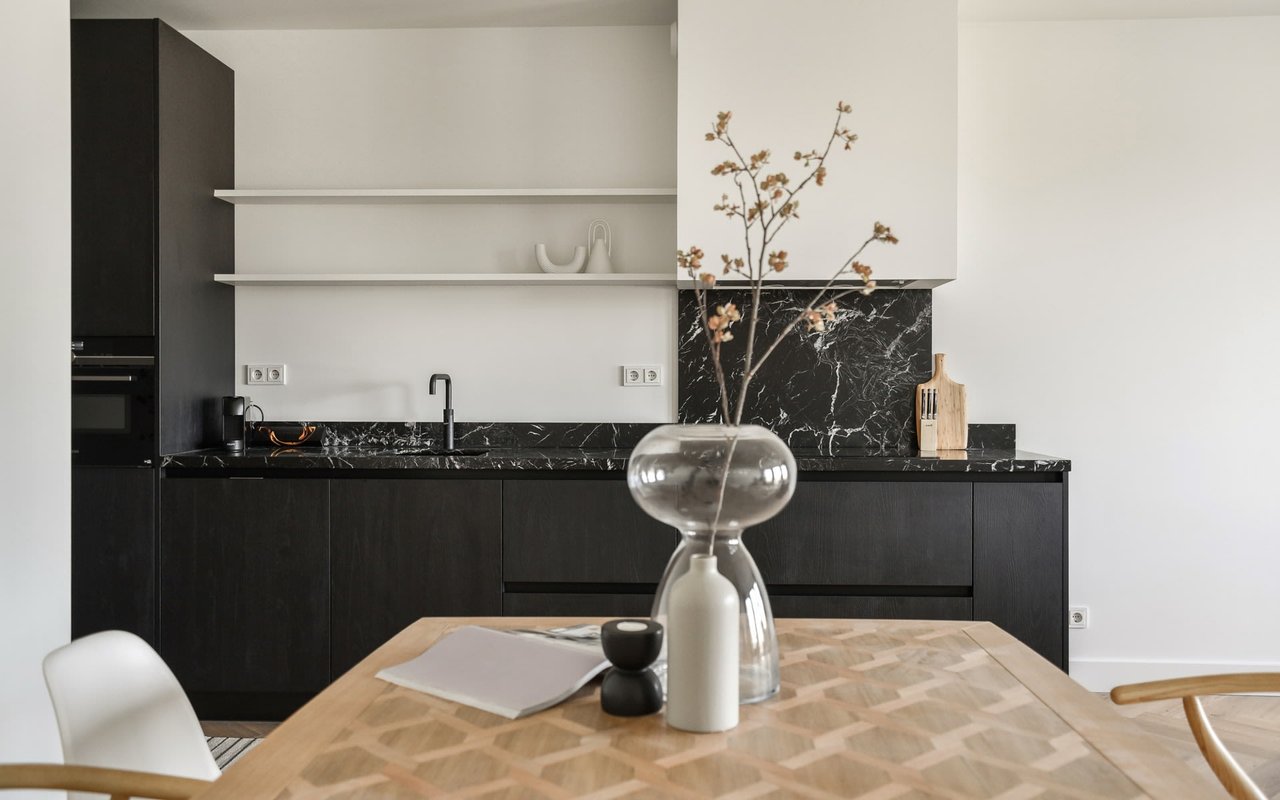
- Loft and warehouse conversions in the Larkin District and downtown.
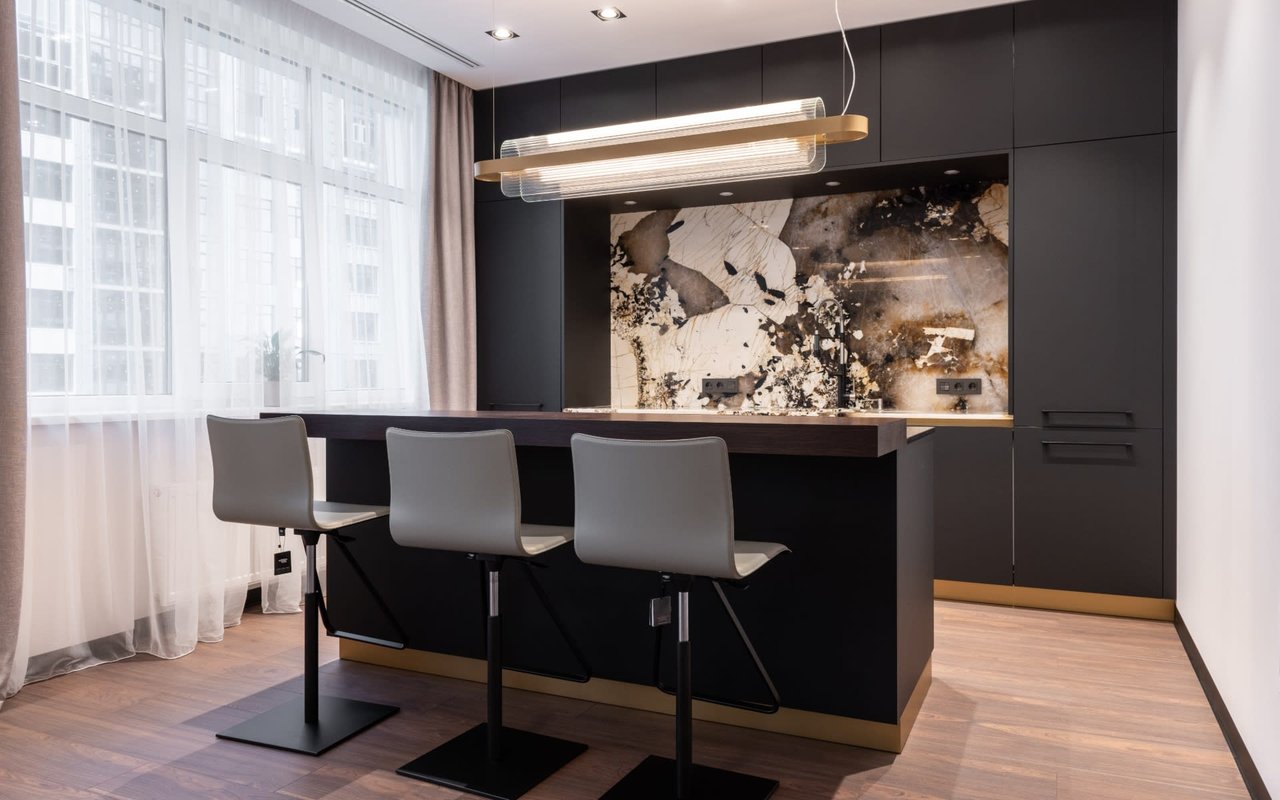
- High‑rise and mid‑rise condos downtown, with amenity packages and parking options.
What price ranges mean today
Prices vary widely by condition, size, and proximity to parks or major employers. In recent years:
- Entry-level urban rowhouses or duplex units can list from the low-to-mid five figures into the low six figures, particularly if they need renovation.
- Renovated condos and downtown lofts commonly land in the mid‑six‑figure range, depending on amenities and parking.
- Single‑family homes in established areas like Elmwood and North Buffalo often sell in the mid‑to‑upper six figures if fully renovated, with more modest updates pricing lower.
- Larger historic homes near parks or on prime blocks can reach the upper six figures, and exceptional restorations may approach seven figures. For current neighborhood‑level figures, check the latest reports from the Buffalo Niagara Association of REALTORS® or ask me for up‑to‑date comps.
Renovation and inspection focus
Because much of the housing is older, buyers often prioritize system updates and efficiency. Common checklist items include insulation quality, window upgrades, roof and foundation condition, and heating systems. Many homes may predate modern wiring and lead-paint standards. If you’re considering a renovation, ask about historic district rules and potential incentives before you plan exterior changes.
Getting around without hassle
Commute patterns
If you work downtown or along major corridors, many central neighborhoods offer commutes of about 15 to 20 minutes by car, with lighter congestion than big metros. Peak slowdowns tend to occur around I‑190, I‑90 approaches, and key arterials. Living closer to the core often means shorter trips and more options beyond driving.
Transit, bikes, and rideshare
NFTA provides bus service citywide and a single light‑rail line that connects downtown to the University at Buffalo South Campus. Service is most frequent along major corridors. Explore routes and schedules through NFTA Metro. Bike lanes and trails are expanding but remain uneven by neighborhood. The RiverWalk and park loops are popular for recreation. Rideshare and taxis are widely available in core districts.
Parking and winter rules
Parking depends on the block. Elmwood and Allentown rely on on‑street parking, with permit zones in some areas. Downtown condos may include assigned spaces or use nearby garages. In winter, street cleaning and snow‑emergency rules matter. Review seasonal regulations for your target block before you buy.
Weather: how Buffalo seasons shape life
Buffalo’s four‑season climate is shaped by Lake Erie. Summers are active outdoors, while winter brings lake‑effect events that can deliver heavy snowfall in a short period. That impacts daily routines:
- Snow removal: plan for sidewalk and driveway clearing and check city schedules.
- Heating: updated, efficient systems are a priority for many buyers.
- Transportation: snow tires and flexible commute plans help during storms. For historical climate context and storm updates, use the National Weather Service Buffalo office.
Schools, safety, and services
Buffalo Public Schools serve many city neighborhoods, and there is also a network of charter and private options. Program offerings and performance vary by school. Families often review official report cards and speak with district representatives before deciding. Explore data at the New York State Education Department report card portal.
Crime patterns differ by block and by time of day. Many residents review public crime data, talk with neighborhood associations, and visit areas at multiple times to understand local conditions. If you are considering a multi‑family purchase, learn about rental registration, inspections, and landlord‑tenant rules, and check tax assessments for potential changes.
Market momentum and redevelopment
Adaptive reuse continues to shape the city, especially in the Larkin District and near the medical corridor. Public‑private investment and employer growth around downtown and healthcare corridors create demand for nearby housing and services. This activity often leads to incremental spillover into adjacent blocks, with a mix of new construction and restoration of historic properties.
Buyer quick checklist
Use this as a starting point when you tour:
- Systems and safety: age and condition of heating, electrical, and roof; insulation quality; any signs of moisture in basements; presence of lead‑based paint in older homes.
- Practical living: parking setup, snow storage options, and winter street rules.
- Lifestyle fit: proximity to nightlife or quieter streets, walkability to daily needs, and transit options to work.
- Due diligence: request contractor estimates for likely upgrades, confirm property tax history, and review any historic district guidelines.
Renting vs. buying in the core
Renting offers flexibility and less upfront maintenance, especially if you’re new to Buffalo winters or exploring neighborhoods. Inventory includes renovated lofts, downtown and Larkin apartments, and units in multi‑family homes. Buying can be relatively affordable compared with larger metros, but older housing means you should budget for upgrades. Your financing and inspection contingencies should reflect potential improvements like insulation and HVAC updates.
Ready to explore?
If city living is on your list, I’m here to help you compare blocks, tour homes, and make a confident move. I’ll share neighborhood‑level comps, on‑the‑ground insights, and a clear plan from offer to closing. Reach out to Jeffrey Buchholz to start your search today.
FAQs
What are the most walkable neighborhoods in Buffalo?
- Elmwood Village, Allentown, and parts of Downtown and the Larkin District offer strong pedestrian activity, with other areas varying block by block.
How does winter weather affect daily life in Buffalo city neighborhoods?
- Lake‑effect storms can arrive quickly, so residents plan for snow removal, reliable heating, and flexible commutes; monitor the National Weather Service Buffalo office for updates.
What home types are common in Buffalo’s urban core?
- Expect older single‑family homes, historic doubles and triplexes, brick rowhouses, and adaptive‑reuse lofts and condos downtown and in the Larkin District.
How reliable is public transit for city commutes in Buffalo?
- NFTA buses and the MetroRail connect key corridors, especially between downtown and UB South Campus; check NFTA Metro for routes and frequency.
How can I evaluate schools when moving to Buffalo?
- Review official performance data and program information on the New York State Education Department report card portal, and speak directly with district representatives.
Where can I find current Buffalo home prices by neighborhood?
- Consult recent reports and market snapshots from the Buffalo Niagara Association of REALTORS®, and ask me for up‑to‑date comps tailored to your target blocks.