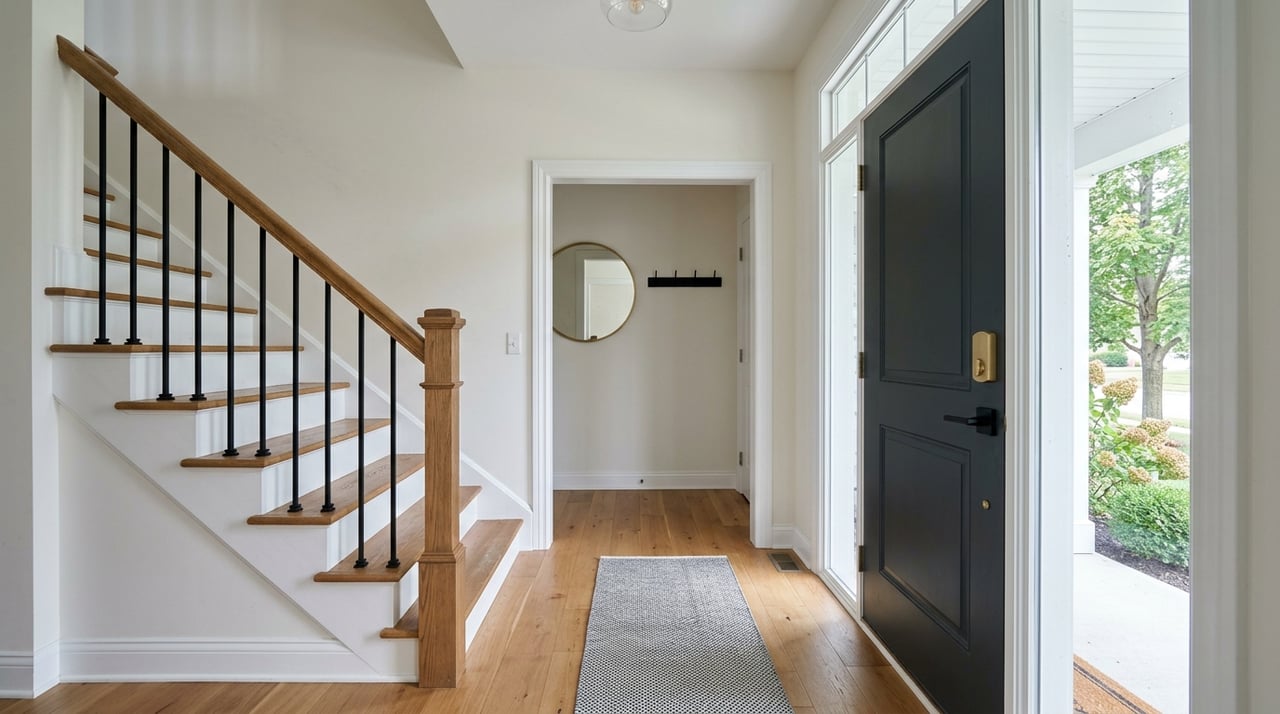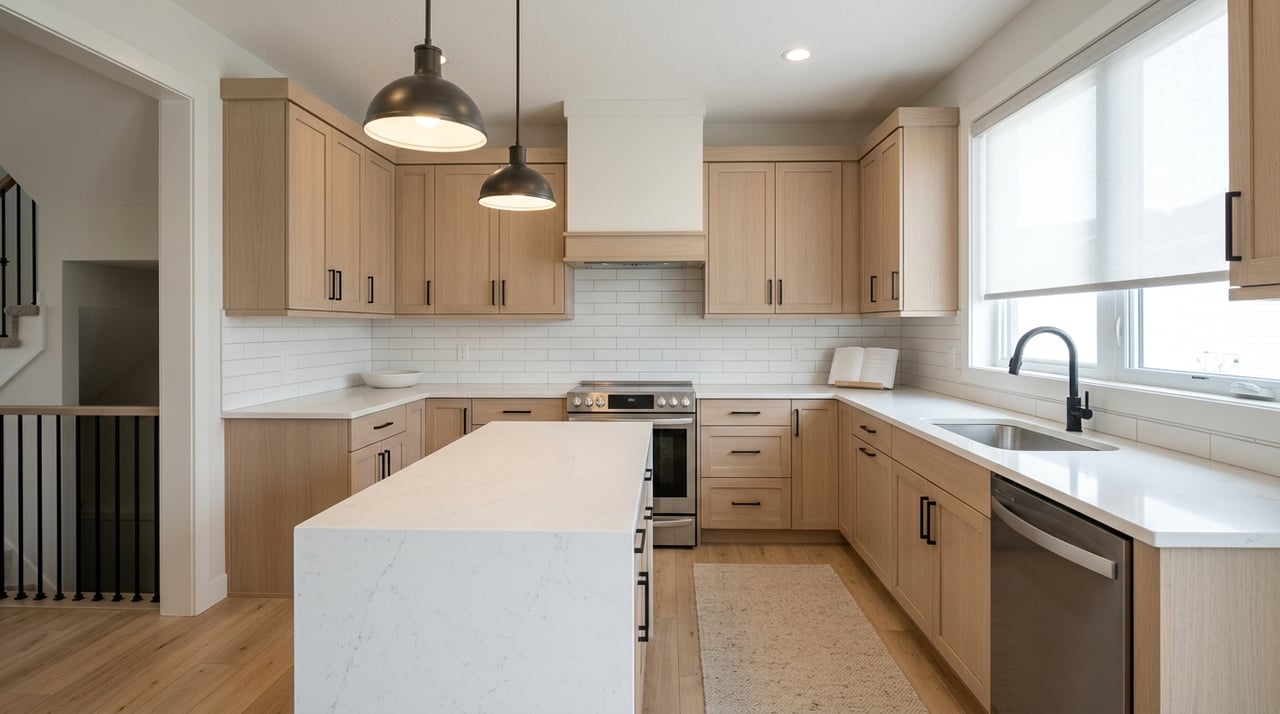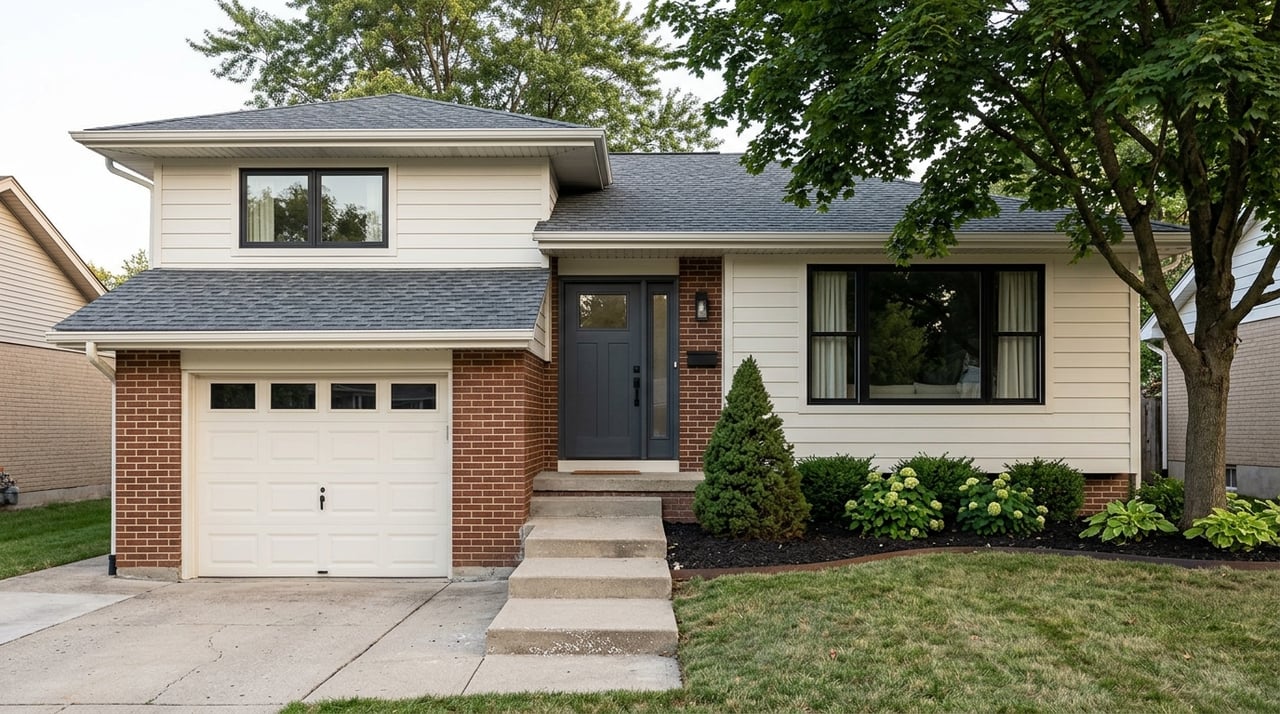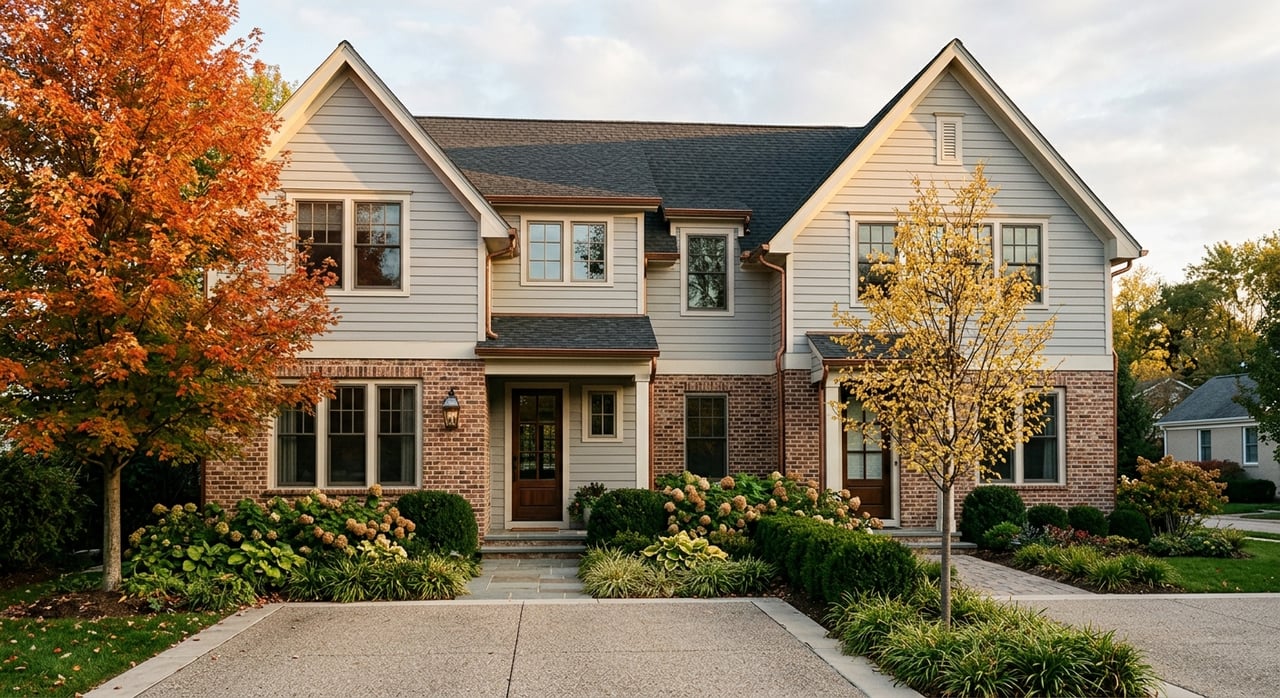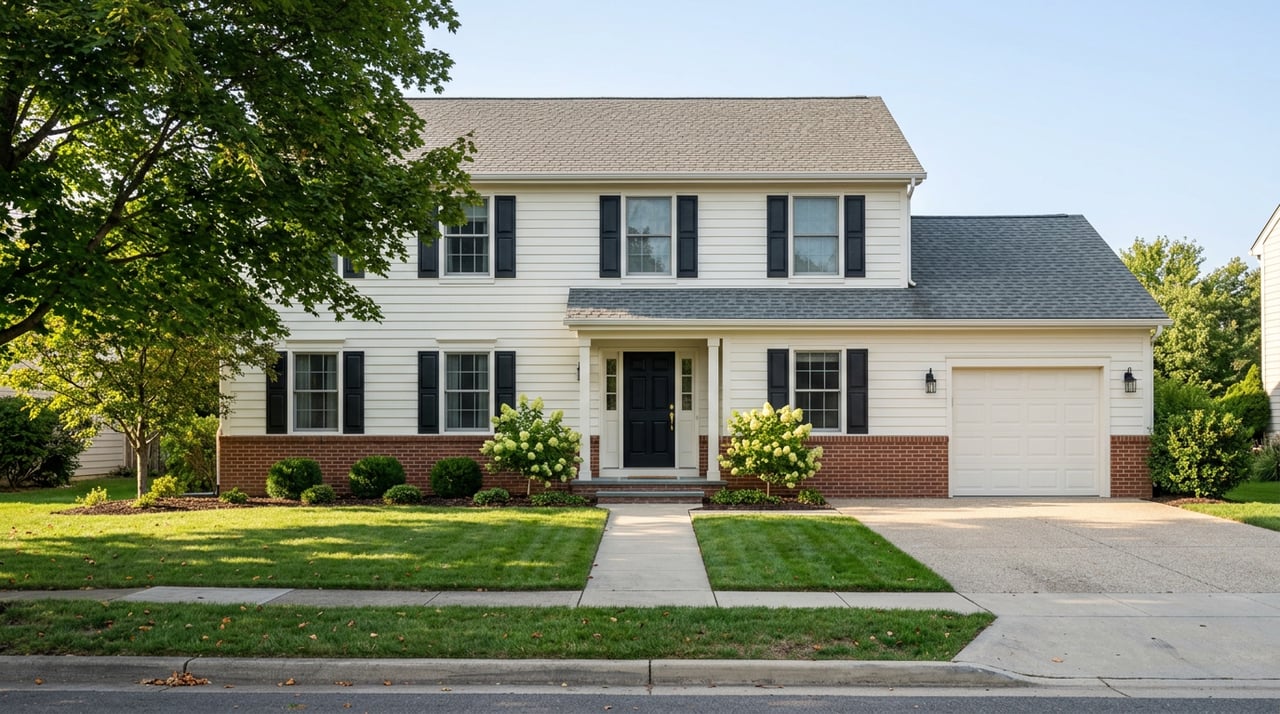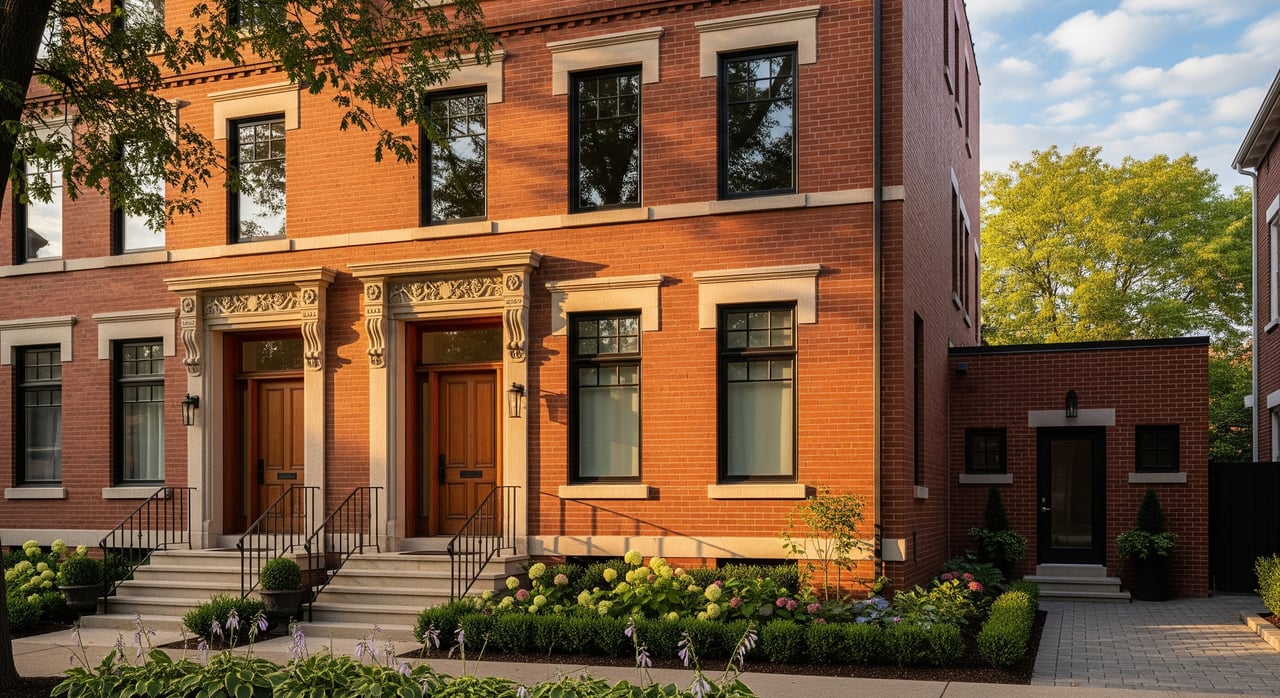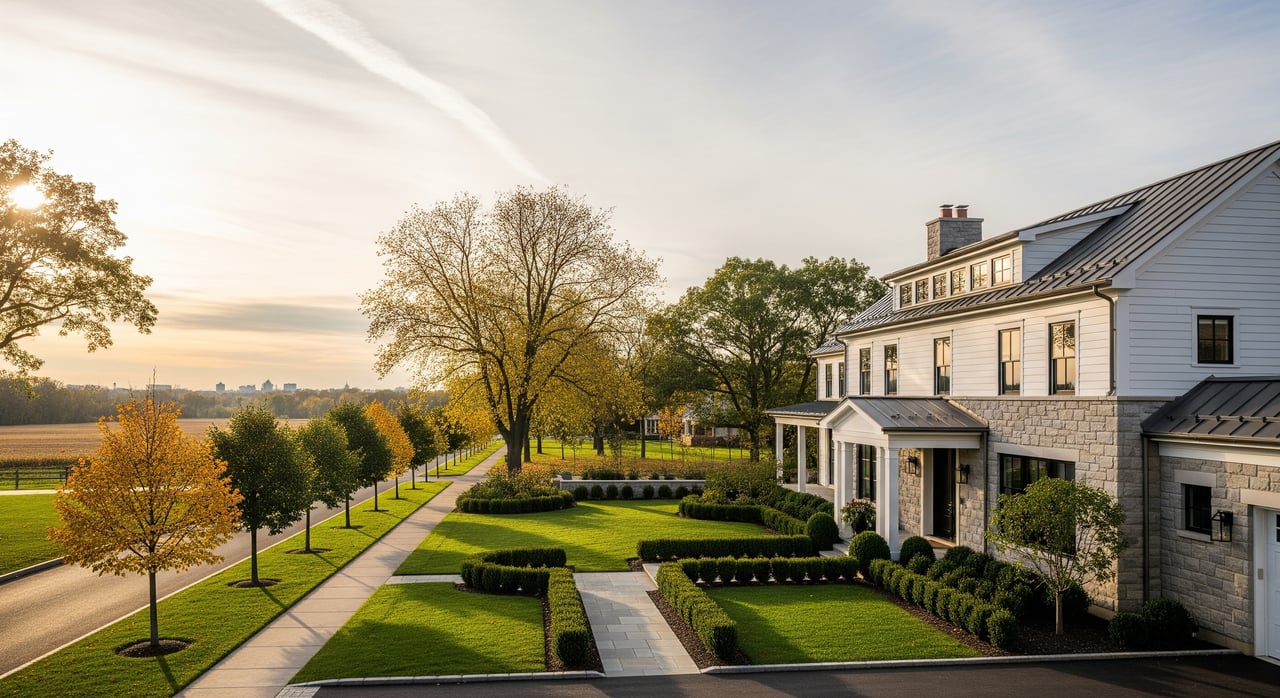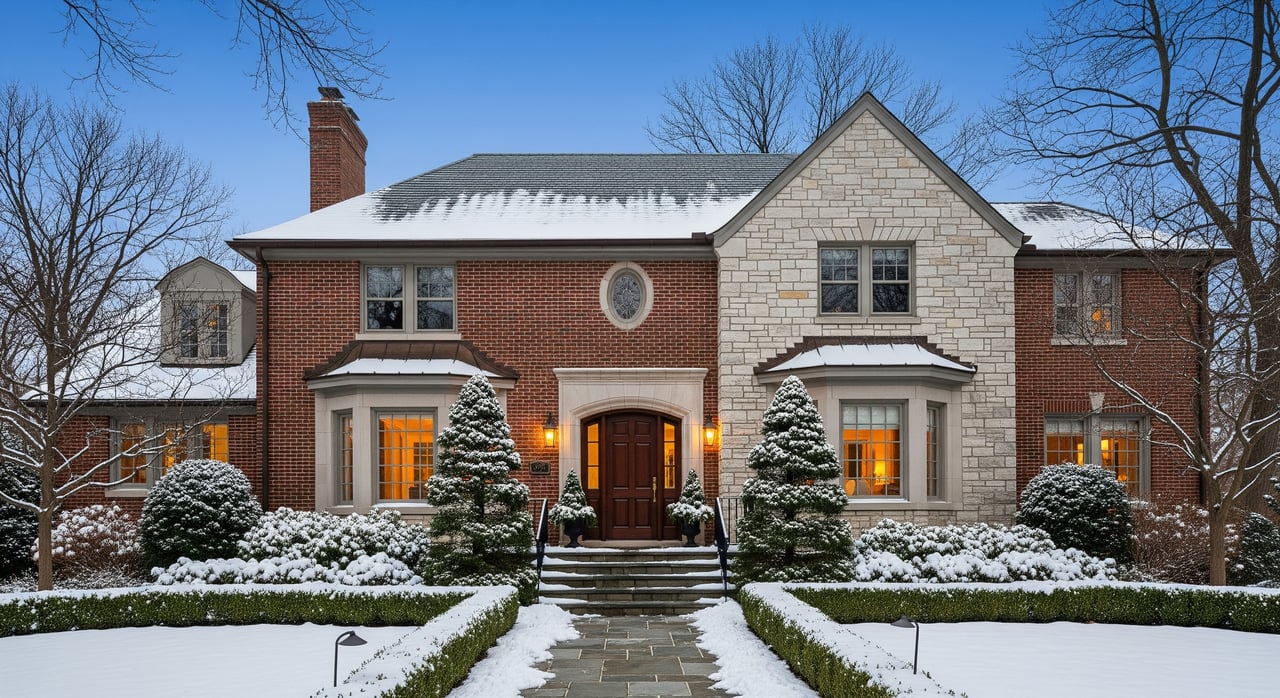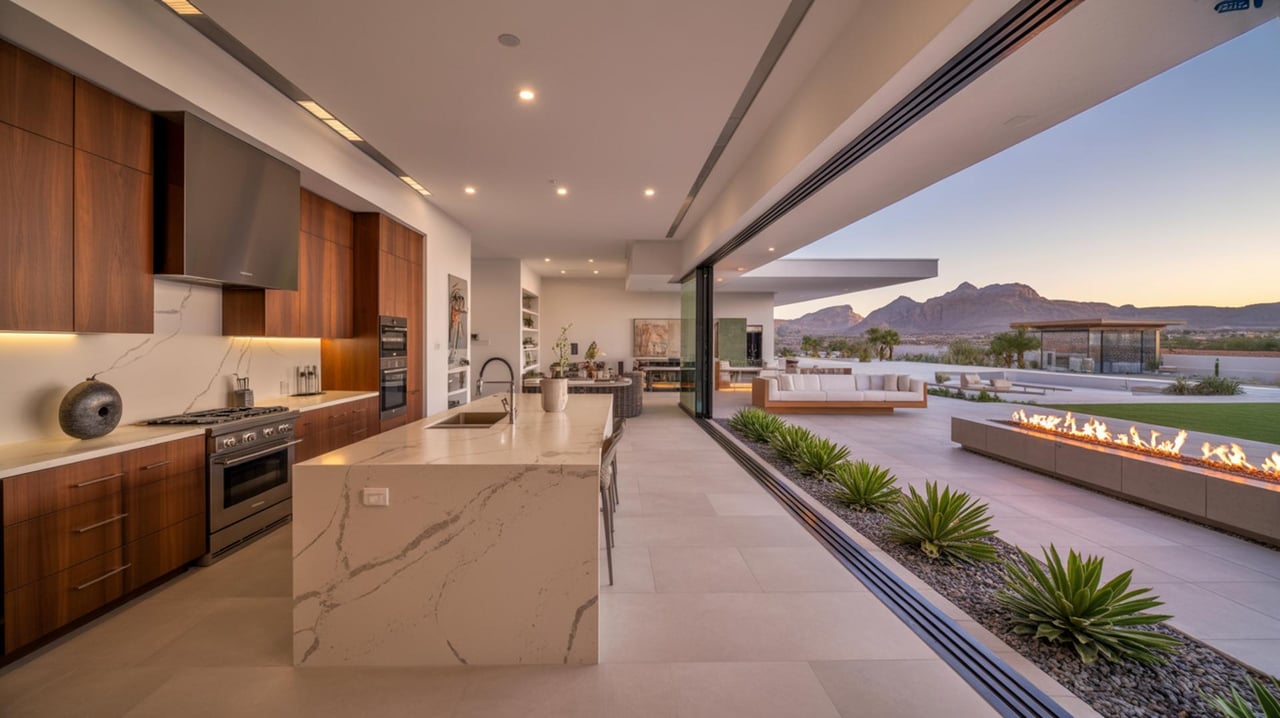
Torn between a brand-new build and the charm of a resale in East Amherst? You’re not alone. The right choice depends on your timing, budget, and how you weigh customization, maintenance, and neighborhood feel. In this guide, you’ll compare real costs, timelines, warranties, lot considerations, and a simple decision framework tailored to East Amherst. Let’s dive in.
East Amherst market snapshot
East Amherst sits in the Town of Amherst in Erie County and offers a mix of established neighborhoods and newer subdivisions. Land near popular amenities and within desirable school zones is limited, so new lots can come at a premium or appear as smaller infill opportunities. Seasonal patterns matter here. Buyer activity and lot development often slow in winter, which can affect both resale inventory and construction schedules.
Resale homes you’ll see
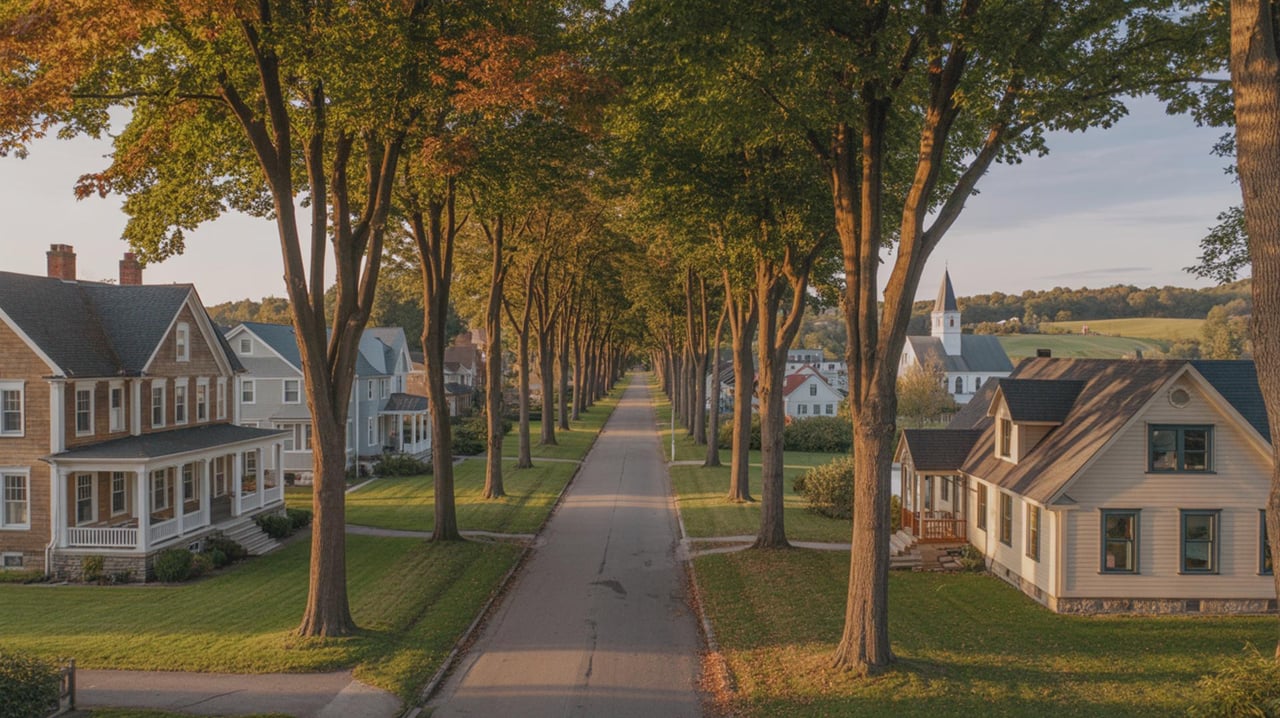
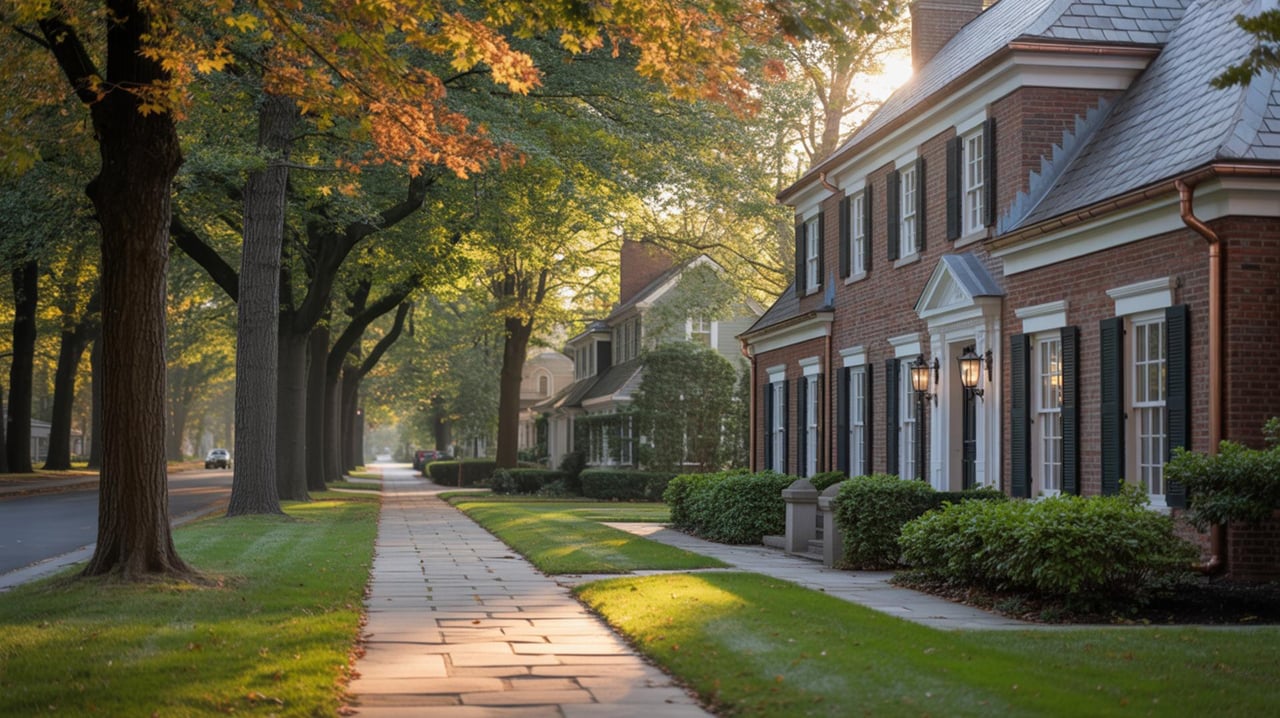
Resale options range from postwar and 1970s homes to 1990s and 2000s builds, plus some newer two-story homes. You’ll find colonials, split-levels, ranches, and contemporary designs on a variety of lot sizes. Many addresses are served by the Williamsville Central School District, but always confirm boundaries for a specific property. Established streets often offer mature trees and landscaping that appeal to buyers who value lot character.
Where new construction happens
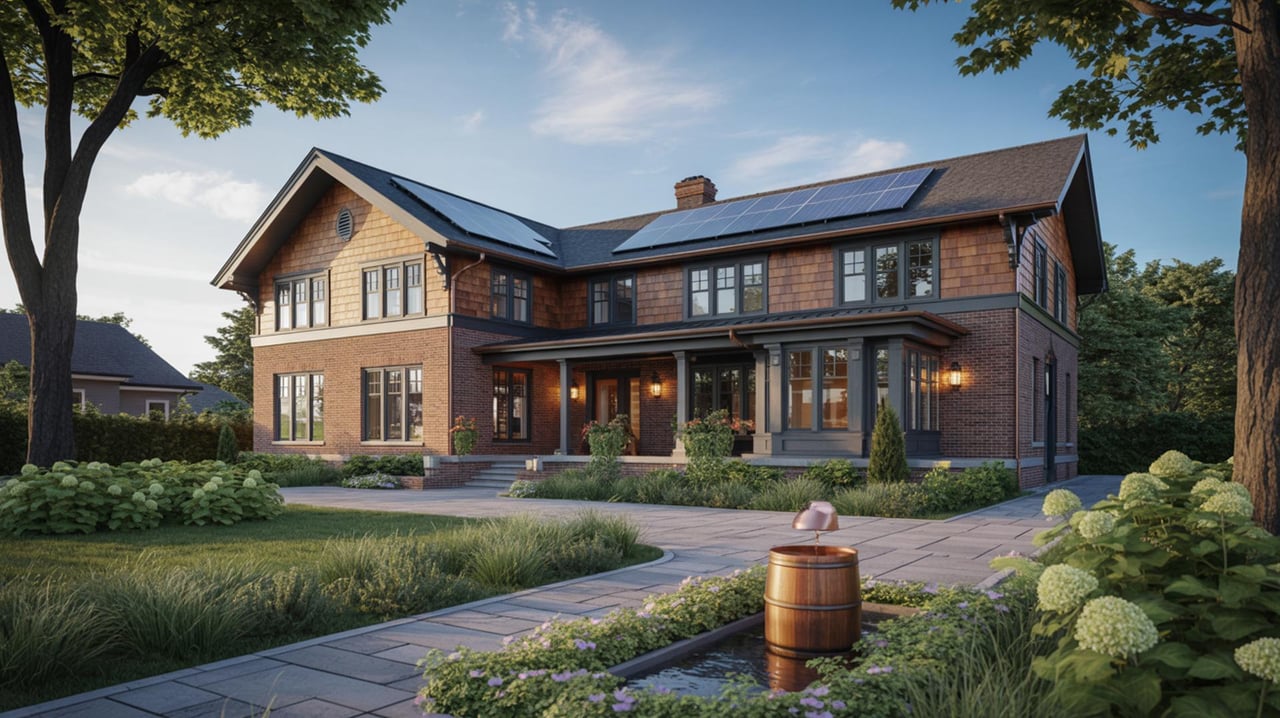
New construction shows up in active subdivisions, small infill lots, and occasionally larger estate-style parcels. You’ll see a mix of spec homes that are already underway and custom builds with more design control. Builders range from tract-style to local custom firms, each with different base specifications, allowances, and timelines.
True cost comparison
Choosing between new and resale is about your total cost, not just list price. Consider purchase price, financing structure, taxes, insurance, operating costs, and any HOA fees.
Purchase price vs. effective cost
A new build’s base price is only the starting point. You’ll add a lot premium, options and upgrades, and sometimes builder fees. Most buyers exceed base allowances to reach the finishes they truly want, so plan your budget accordingly. Resale prices can be lower for similar square footage, but factor in immediate updates like roof, HVAC, windows, or cosmetic renovations.
Financing differences
Resale purchases typically use a standard mortgage and a straightforward closing timeline. New builds can involve construction loans with staged draws, interest during the build, and a conversion to a permanent mortgage at completion. Some builders offer preferred-lender incentives, which you can compare against independent lender quotes. Rate locks are simpler on a resale since you’ll close in weeks rather than months. With a new build, you may need a longer lock or be prepared for rate risk before conversion.
Taxes and insurance
New construction is usually assessed at current value and may be subject to phased assessments depending on local practices. Resale taxes reflect current assessed values that can change over time. Insurance premiums and deductibles can differ between older and newer homes, as modern building standards and systems can help with insurability. Verify specifics with local insurance pros and the assessor’s office for the property you’re considering.
Operating and maintenance
New homes often deliver lower maintenance in the first 5 to 10 years thanks to new systems, modern windows, and efficient mechanicals. Resales can offer more space or a better lot at a similar price but may require immediate maintenance or upgrades. If you prefer a lower-maintenance lifestyle, the new-build premium can be worth it.
HOA and community fees
Newer communities sometimes have HOA dues that cover roads, lighting, stormwater, landscaping of common areas, or amenities. During active build-out, there may be developer-related fees. Resale neighborhoods may have low or no HOA dues, depending on the subdivision.
Timeline, permits, and logistics
Your move-in timing is a major driver of the decision. Resales can close quickly if financing and inspections align. New construction offers customization but requires patience.
Build timeline basics
Spec homes that are already underway can sometimes be ready in a few months once interior finishes are chosen and completed. Custom builds typically take longer because you’ll cover design, selections, permitting, site prep, and a full construction schedule. Typical stages include site prep, foundation, framing, systems rough-in, drywall, finishes, a punch list, and a certificate of occupancy.
Local seasonality and constraints
Buffalo-area winters can slow excavation, concrete work, and exterior finishes. If your build crosses winter months, expect potential schedule shifts and plan your move accordingly. Most East Amherst neighborhoods connect to municipal utilities, but confirm sewer and water for any specific lot. In larger subdivisions, early phases may be complete while later phases are still grading roads and infrastructure.
Contracts, payments, and move coordination
For new builds, you’ll pay earnest money at contract and the builder is paid in draws on a construction schedule, with final closing upon completion. Confirm delivery windows, remedies for delays, and contingencies if materials or labor push dates. If you’re selling a current home, consider temporary housing and storage to bridge the gap between sale and completion. For resales, your timeline centers on accepted offer, inspections, mortgage processing, and closing.
Warranties, inspections, and risk
Understanding how risk is handled will help you avoid surprises.
New-construction warranty basics
Many builders follow a common structure: about one year for workmanship, two years for major systems, and up to ten years for structural coverage. The exact terms, coverage limits, and exclusions vary by builder and warranty provider. Read the warranty closely so you know what’s covered, what’s cosmetic, and how to submit claims.
Inspections for new builds
Even with a warranty, hire an independent inspector. Plan milestone inspections such as pre-pour foundation, pre-drywall, and a detailed final inspection. Use the punch list to document items for correction before closing and confirm timelines for completion. Keep copies of all builder communications and warranty documents.
Resale inspections and negotiations
Order a full home inspection and follow up with specialists if needed for roofing, HVAC, structural, or septic. Homes built before 1978 require lead-based paint disclosures, and buyers should follow lead-safe work practices for renovations. Many resales transfer as-is, but inspections can inform requests for repairs or credits. Use inspection findings and recent comparable sales to negotiate from a position of knowledge.
Legal and consumer protections
New-build warranties are contractual, so review all documents and clarify anything that is unclear before you sign. For both new construction and resale, consult a real-estate attorney if you encounter contract, disclosure, or defect issues. Keep inspection reports, contracts, and correspondence organized in case you need them later.
Lots, zoning, and neighborhood fit
Your lot choice shapes your lifestyle, budget, and design flexibility.
Lot types and premiums
You’ll see finished subdivision lots, infill parcels in established streets, and occasional larger parcels. Lot premiums are common for cul-de-sac locations, larger footprints, or special features such as views. Topography, drainage, and mature trees can influence costs for excavation and site design. Factor in any developer requirements for sidewalks, lighting, and stormwater management.
Zoning and infrastructure basics
Town of Amherst zoning controls setbacks, lot coverage, and accessory structures. If you’re considering a custom build or future additions, verify these rules early. Confirm utility connections, especially in less-dense areas. Understanding the regulatory framework up front prevents costly redesigns later.
Neighborhood fit in East Amherst
Many buyers value proximity to Transit Road retail corridors, commute routes, and local parks. Established neighborhoods offer mature landscaping and a classic street presence. Newer subdivisions often feature modern infrastructure, sidewalks, and consistent architectural styles. School district alignment is a key factor for many buyers, so verify the assigned schools for each address.
Decision framework: which path fits you
Use these steps to match your needs with the right choice.
- Timing: If you need to move in the next 1 to 3 months, resale is more realistic. If you can wait 6 to 18 months and want customization, a new build can make sense.
- Budget discipline: With new construction, set a realistic upgrade budget. With resales, plan for immediate maintenance or cosmetic updates.
- Must-haves: If open layouts, large kitchens, and energy-efficient systems are non-negotiable, new builds have the edge. If you prioritize a larger yard or a specific street, resale may be the better fit.
- Risk tolerance: New builds come with construction timing and selection decisions. Resales carry the risk of hidden defects, which you can manage with thorough inspections and negotiations.
- Maintenance appetite: Prefer low-maintenance living for the next decade? New construction helps. Love projects and custom updates over time? Resale might fit.
Touring checklist for new construction
- Ask for a standard spec sheet, allowances, a detailed options list, and a sample contract.
- Request the build schedule, milestone dates, and the builder’s track record in the area.
- Review the full warranty package and sample closing documents.
- Tour a finished model and at least one recently completed home by the builder.
- Verify lot-specific details like grading, drainage, and tree coverage.
Touring checklist for resale
- Review seller disclosures and any past inspection reports if available.
- Hire a professional home inspector and bring in specialists as needed.
- Compare recent solds within the same neighborhood or school zone to gauge value.
- Visit at different times of day to get a feel for traffic and noise.
Next steps
- Get preapproved for a standard mortgage, and if you’re considering a build, consult a lender about construction loan options and rate-lock timing.
- Collect hard numbers: recent comparable sales, builder price sheets, estimated upgrades, and a property tax estimate from the assessor’s office for the address you’re targeting.
- If building, request a written schedule and clear remedies for delays, and line up milestone inspections.
- If buying resale, budget for inspection costs, immediate updates, and a negotiation strategy for repairs or credits.
If you want a local, straightforward view of both options, I can help you compare specific communities, lots, and resale inventory in East Amherst. Let’s connect for a quick plan that fits your timing and budget. Reach out to Jeffrey Buchholz to start your tour list and next steps.
FAQs
How quickly can I move into a resale vs. a new build in East Amherst?
- Resale closings typically take weeks to a few months, while new builds range from several months for a nearly finished spec home to a year or more for a full custom build, especially with winter slowdowns.
Will a new home cost more than a comparable resale in East Amherst?
- Often yes. New construction usually carries a premium for modern layouts, energy-efficient systems, and finishes, plus lot premiums and upgrades, while resales may require repairs or updates.
How are property taxes handled on new construction in Erie County?
- New homes are generally assessed at current value, and some areas use phased assessments; verify specifics for the property with local assessor authorities before you finalize your budget.
What warranties come with a new home, and what do they cover?
- Many builders offer about one year for workmanship, two years for systems, and up to ten years for structural components, with exact coverage and exclusions defined in the builder’s warranty documents.
Can I negotiate price or upgrades with a builder in East Amherst?
- Yes. Negotiation is common on spec homes and can include closing incentives, lender credits, or included upgrades, though terms vary by builder and market conditions.