Are you debating whether to list your Amherst home in the middle of a Buffalo winter? With lake-effect snow, short daylight, and fewer buyers out touring, the season can feel tricky. The good news: motivated buyers are still shopping, and with the right prep, pricing, and showing plan, you can sell with confidence. This playbook gives you a clear checklist tailored to Amherst and Erie County so you can launch strong and keep momentum. Let’s dive in.
Amherst winter market reality
Weather factors to plan for
Amherst winters bring heavy, wet snow and freeze–thaw cycles that can stress roofs and clog gutters. Ice dams, slick walkways, and darker afternoons affect how buyers experience your home. Expect snow to cover landscaping and hardscapes, so you’ll rely more on lighting, access, and clear documentation to build buyer confidence.
Buyer behavior in winter
Inventory typically dips during winter, so you’ll face fewer competing listings. Buyer traffic may be lower, but shoppers who are out are often highly motivated by timing or relocation. Solid pricing, strong presentation, and flexible showing windows can make a real difference.
Timing your launch
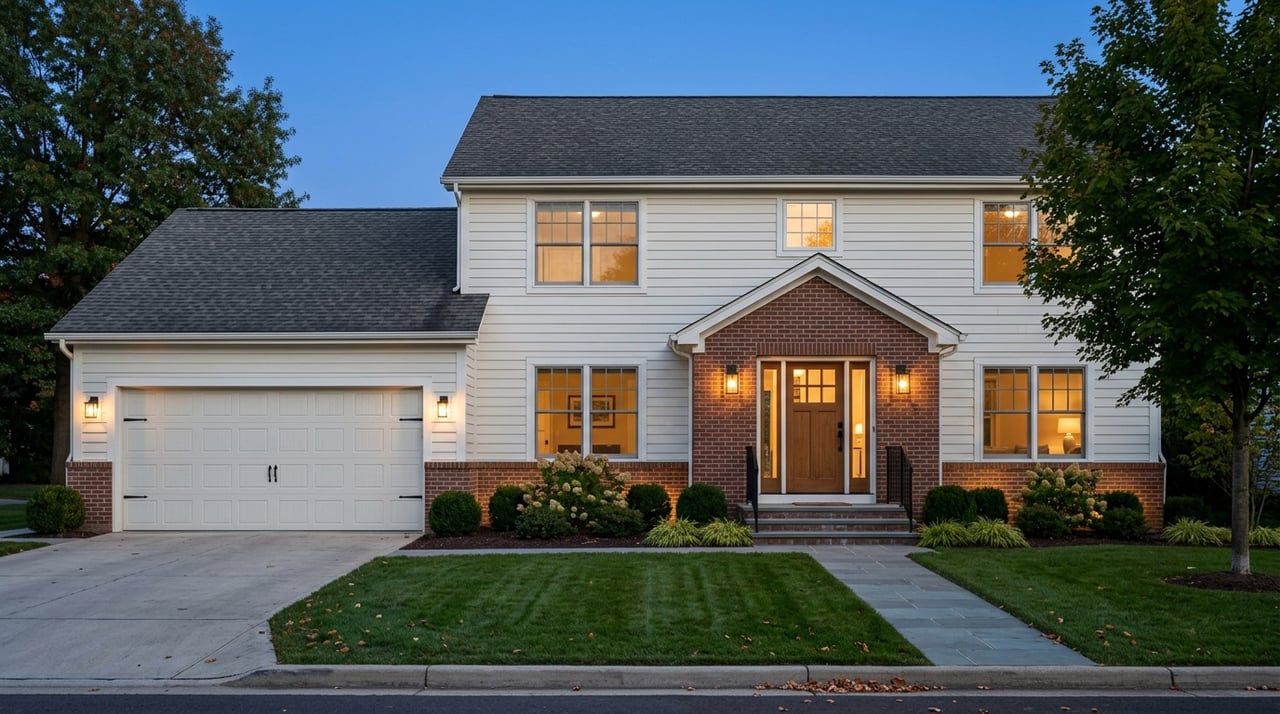
If you can, schedule photos after a clear day when snow is plowed and key features are visible. Twilight photography can help offset short daylight and add warmth. Late January to February often sees fewer new listings, while early spring brings more demand and more competition. Choose the window that best fits your goals and timeline.
Prep your home for winter showings
Roof, gutters, and water control
Have a qualified roofer inspect the roof, flashing, and attic ventilation. Clear gutters before deep freeze if possible, and make sure downspouts direct water away from the foundation. If you’ve had ice dams or leaks, fix what you can and be ready to disclose known issues. Strong documentation helps buyers feel secure.
Heating, plumbing, and utilities
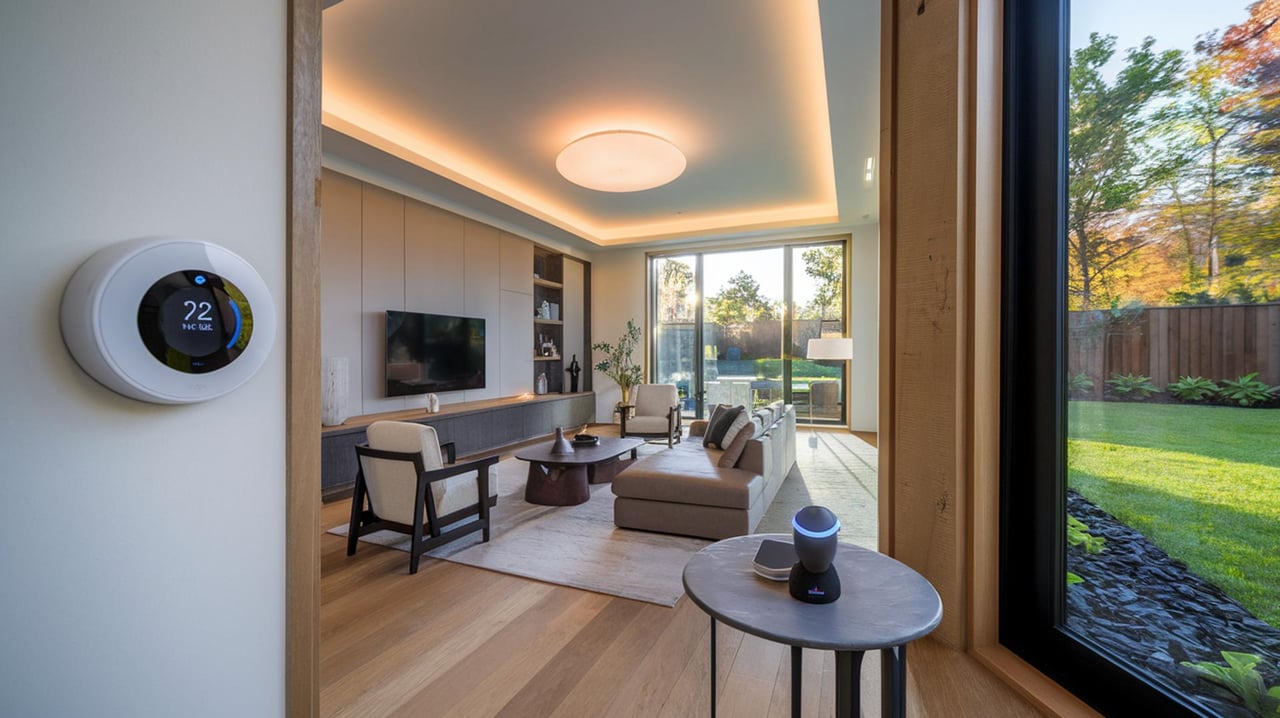
Schedule a furnace or boiler service and change filters. Program thermostats for comfort during showings. Insulate exposed pipes and test the sump pump, ideally with a battery backup. Gather utility bills that reflect typical winter usage, plus records for HVAC service, water heater age, and any energy-efficiency upgrades.
Safe access and parking
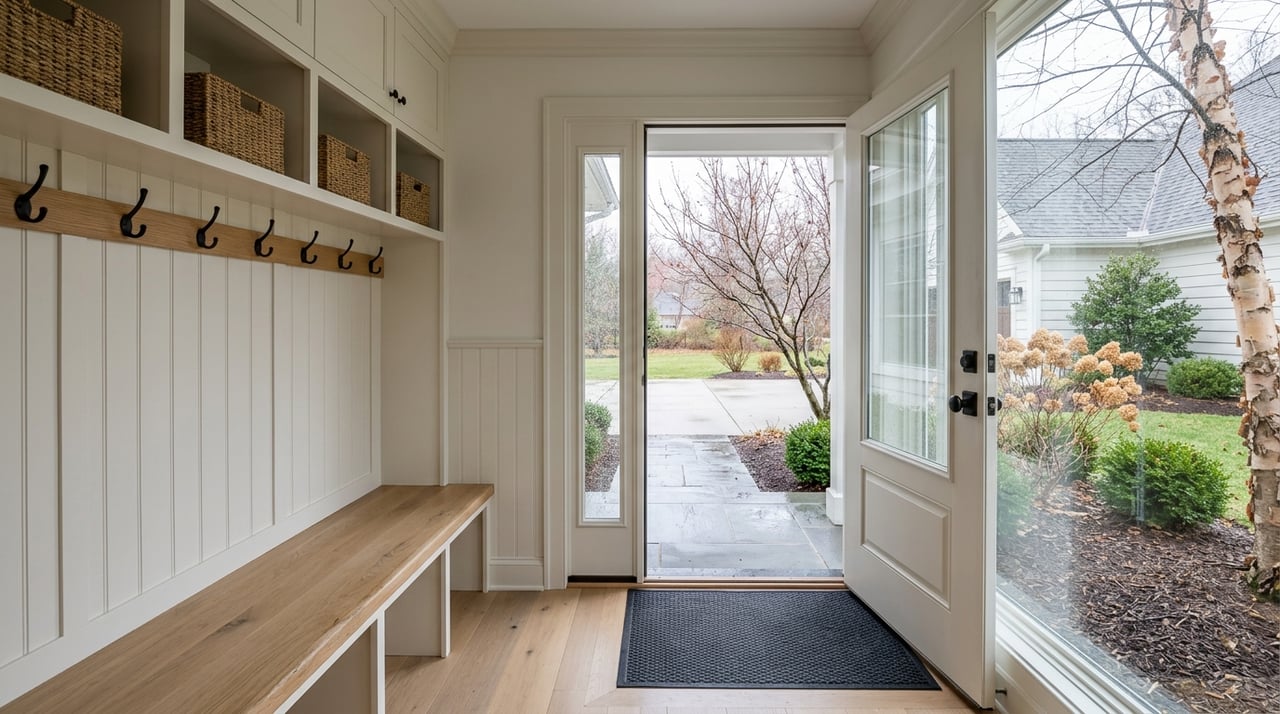
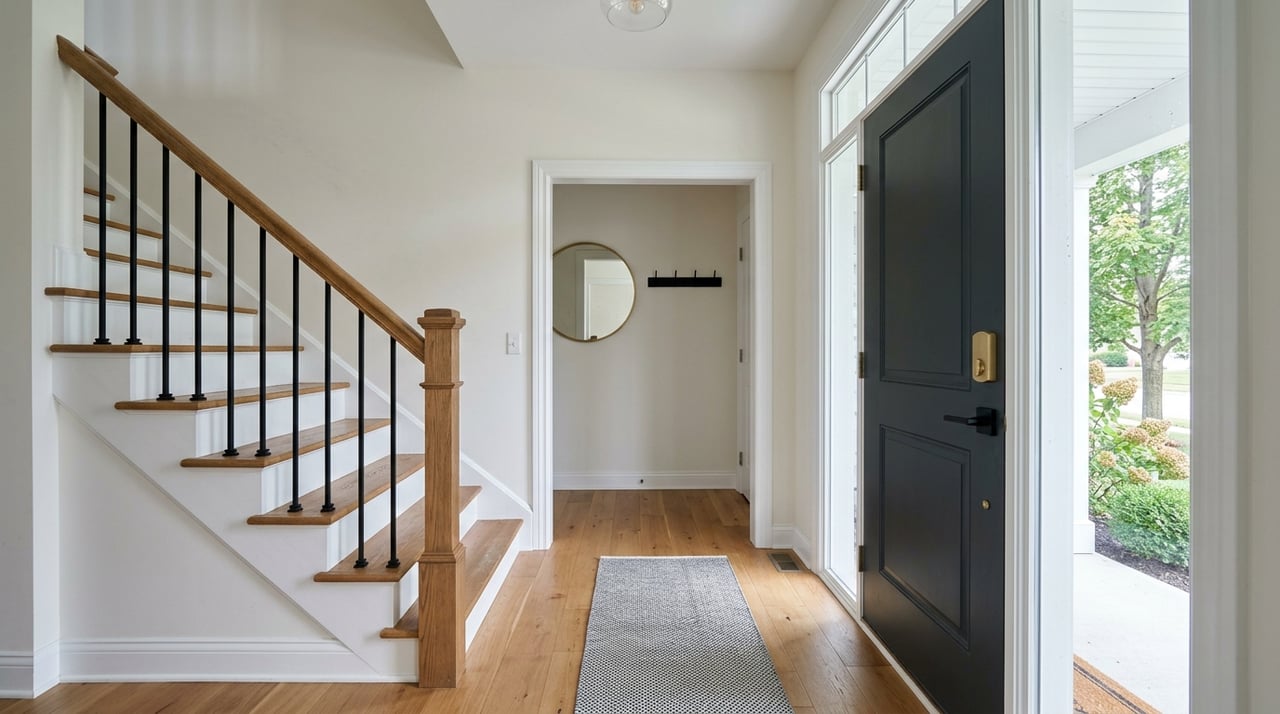
Ensure a clear, salted path from street to door. Arrange a reliable snow and ice removal plan for photo day, showings, and open houses. Inside the entry, place a boot tray, mat, and gentle signage about shoe removal or boot covers. Confirm safe, accessible parking and give precise instructions so visitors avoid blocking plows.
Curb appeal in the snow
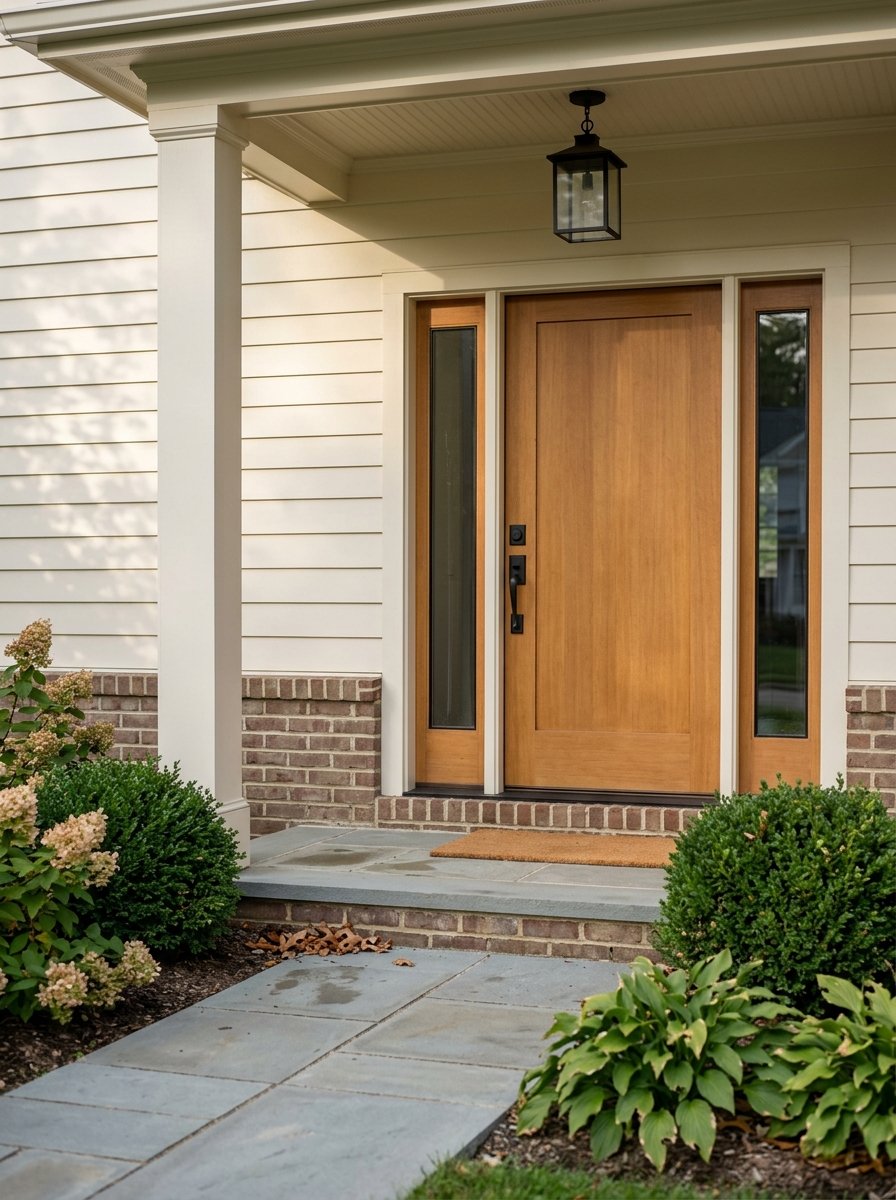
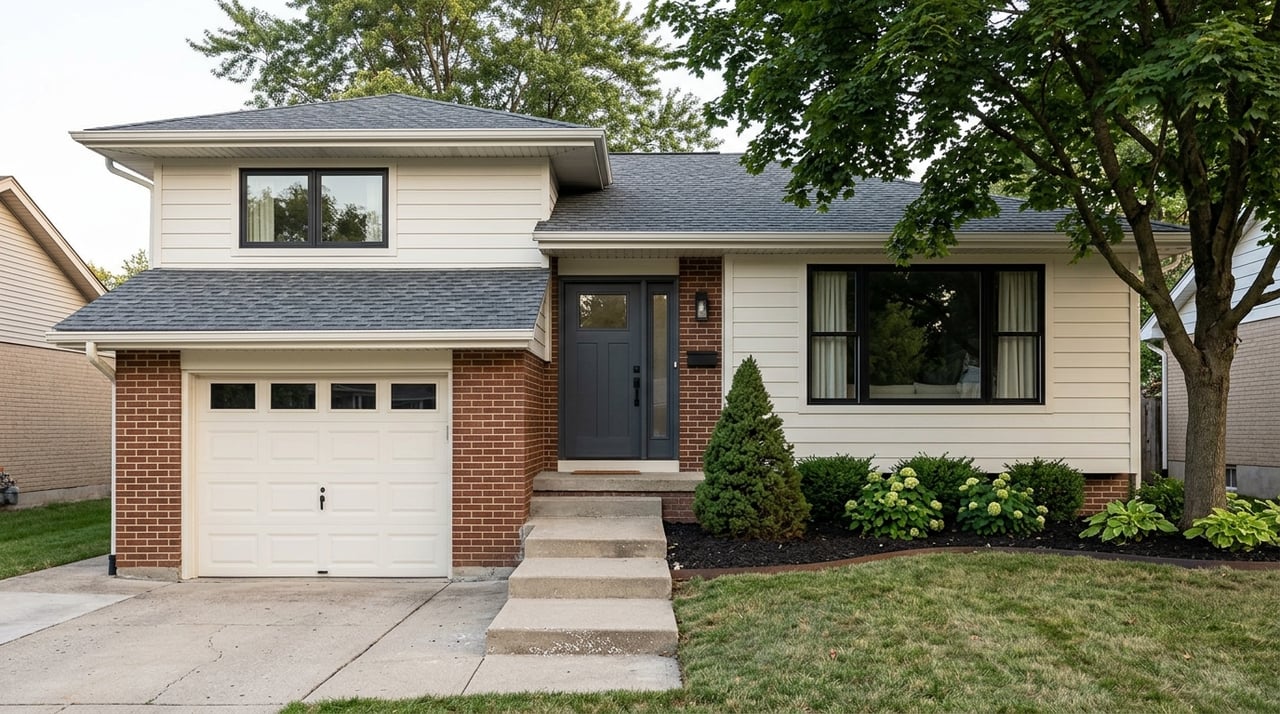
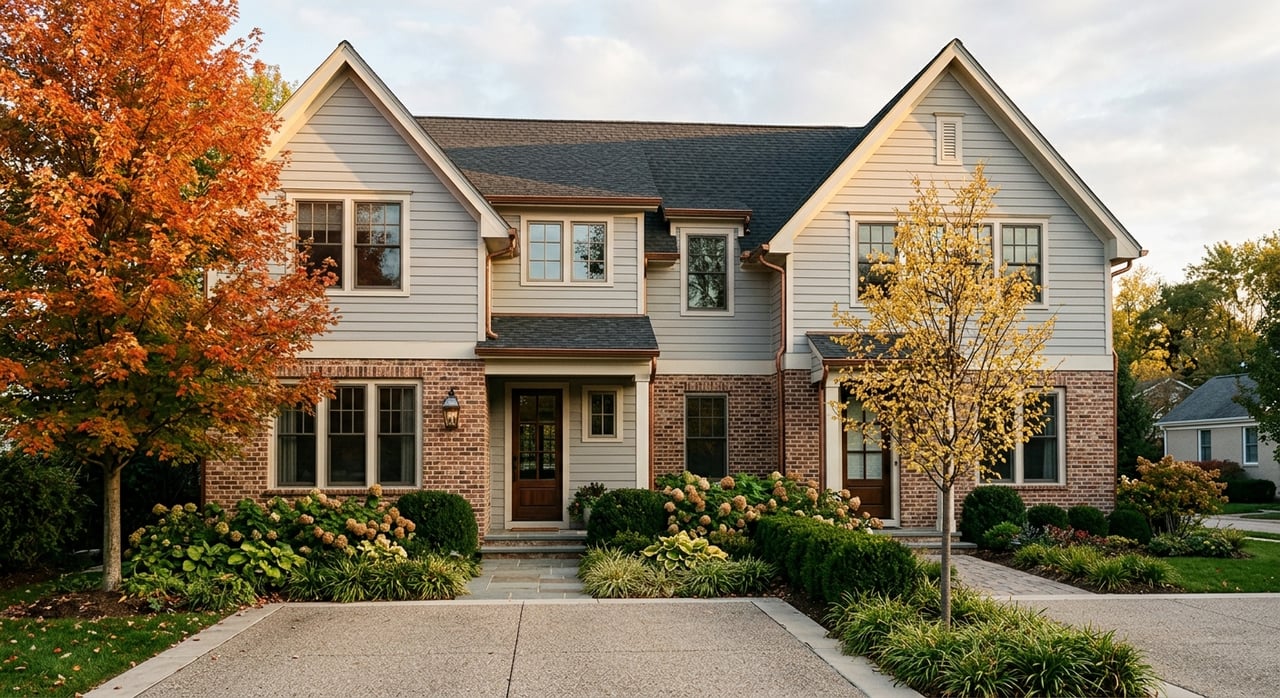
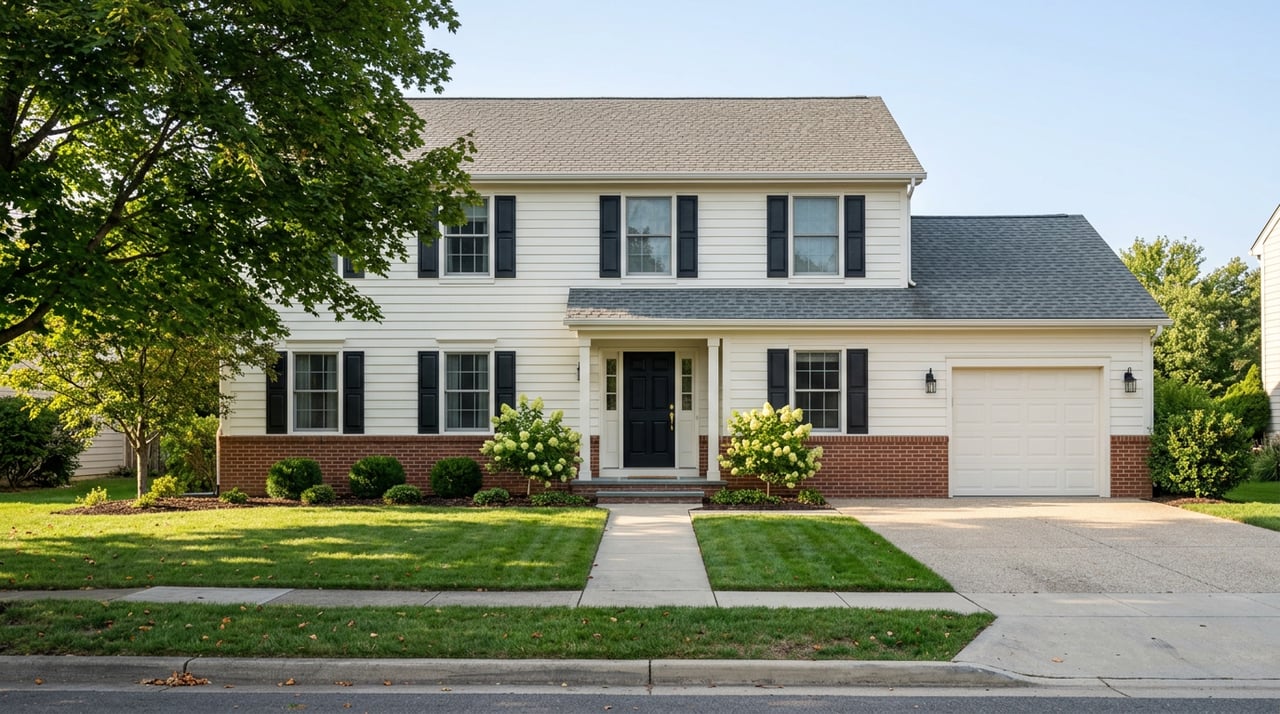
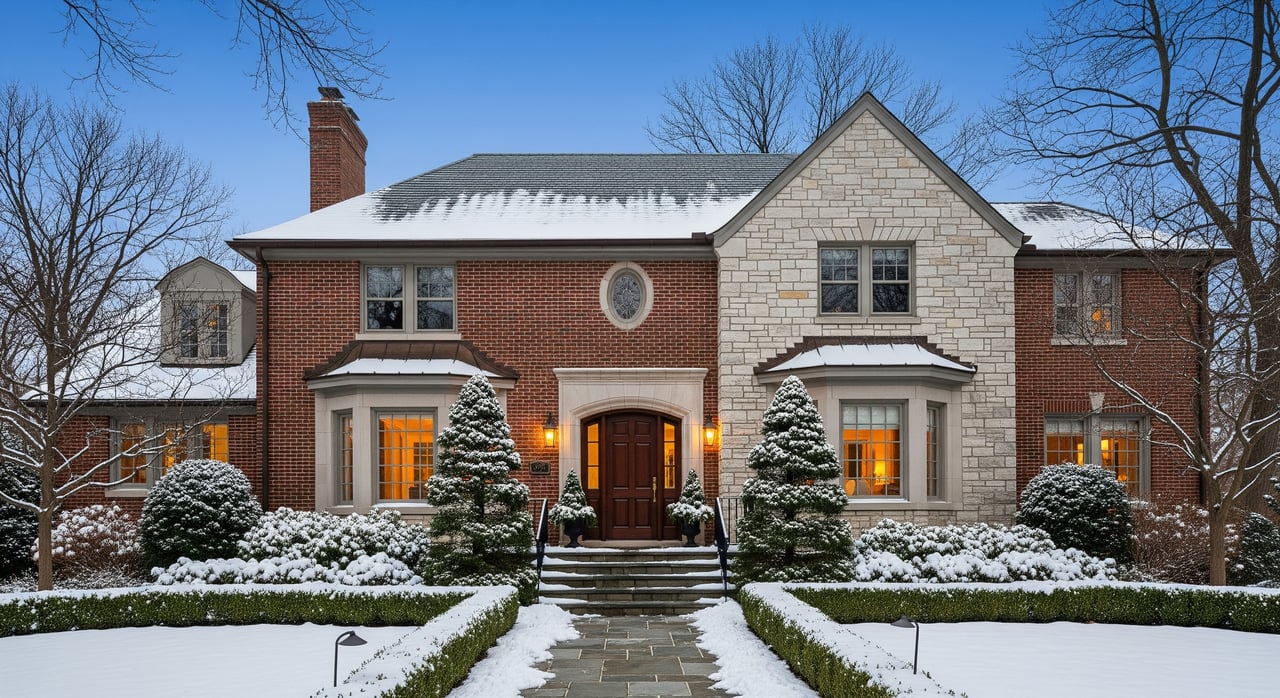
Remove debris and repair visible items such as railings, bulbs, and the mailbox. Keep exterior lights bright and consistent. Stage with simple, seasonal touches like a clean welcome mat and potted evergreens. Before photos, clear snow from focal features so buyers see steps, porch, and stonework.
Documentation and disclosures
New York sellers should be ready to complete the current property condition disclosure form unless legally exempt. Disclose known winter-related issues such as prior ice dams, roof leaks, drainage, or frozen pipes. Compile utility bills, inspection reports, sump pump receipts, and any transferable snow removal contracts.
Price strategy for a leaner market
Use the right data
Build your price from a Comparative Market Analysis that includes recent sales from the last 30–90 days, plus active and pending comps. When possible, weigh comparable homes that sold in winter to spot seasonal patterns. Track days on market to set realistic timing expectations.
Winter pricing tactics
Small price moves matter when the buyer pool is tighter. Consider pricing just under key thresholds to boost visibility. If you want fewer negotiations, a pre-list inspection and clear “as-is” pricing can streamline offers and reduce uncertainty.
Pre-list inspection benefits
A pre-list inspection can highlight roof, HVAC, and water-control performance, which buyers will scrutinize in winter. Fixing minor items like weatherstripping and insulation often beats cosmetic work this time of year. Share relevant pages of the report on the listing to support your price and speed up decisions.
Showing logistics that build confidence
Clear instructions
Make it simple for buyers and agents. In your showing notes, specify where to park, which path is shoveled, how to enter, and whether to remove shoes or use boot covers. For open houses, smaller and targeted events can work better than broad ones during rough weather.
Safety and records
Shovel and salt steps, walkways, and the driveway. Check handrails and replace bulbs to improve visibility for early-evening tours. Keep a log of contractor visits on showing days to document reasonable care.
Warm staging that sells
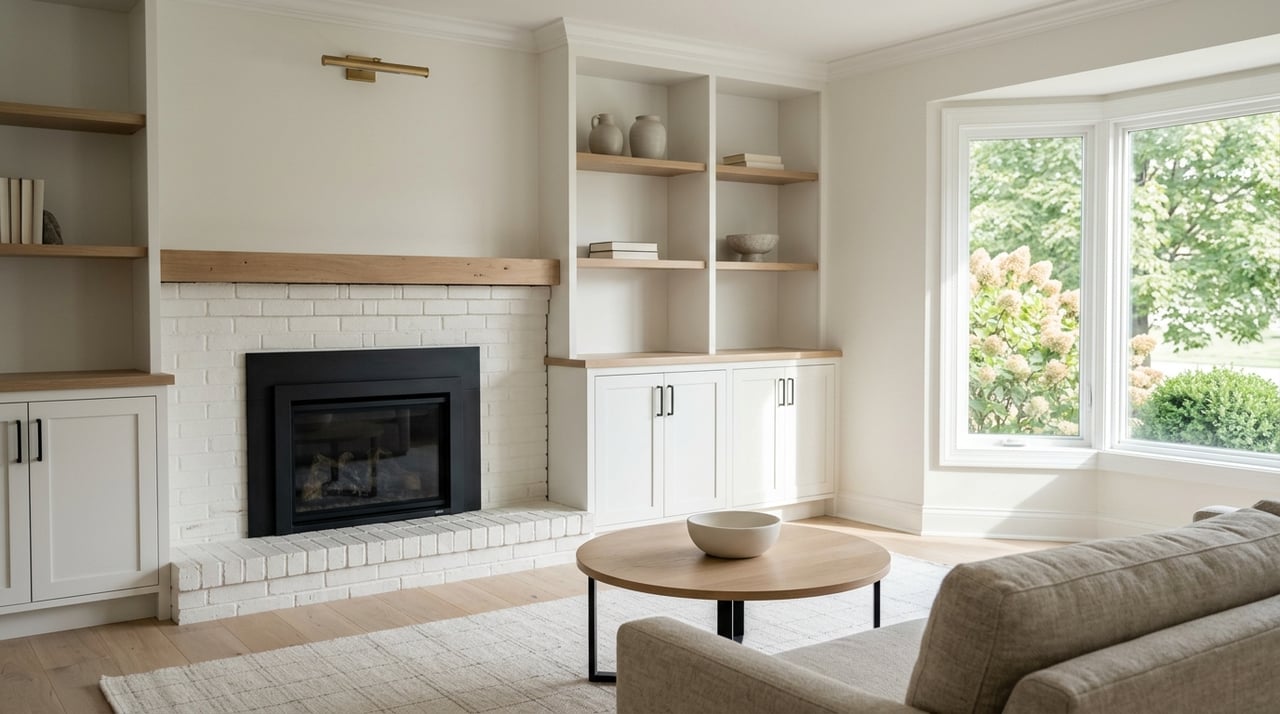
Set the thermostat to a comfortable temperature. Turn on layered lighting and keep the entry tidy with a boot tray. Use light, neutral scents and a few warm textiles. Display furnace service records in a binder so buyers know systems are maintained.
Virtual and 3D options
Offer live video tours, prerecorded walkthroughs, and interactive 3D tours for out-of-town shoppers or weather delays. Include a clear floor plan and exterior photos taken between snow events so buyers can assess features that snow might hide.
Winter media and marketing plan
Photo and video plan
Book exterior photography on a clear day when paths are plowed and focal points visible. Capture daytime interiors with warm lighting and consider a twilight set to showcase glow and curb appeal. Highlight the mudroom, garage, storage, and heating systems buyers care about in winter.
MLS notes that matter
Focus on verifiable winter strengths: recent furnace servicing, insulation upgrades, well-ventilated attic, or an existing snow removal plan. Avoid subjective claims. Note showing logistics, like where to park and shoe-cover expectations, to reduce friction.
Social and targeted outreach
Share a short video tour that shows cleared access, warm interiors, and a quick winter-ready checklist. Target local audiences who are active year-round, including relocating professionals and buyers on tight timelines. Update media after major weather changes so your listing always looks current.
Broker networking
Promote broker previews on clear days to keep your home top of mind with agents. Use MLS remarks to broadcast snow-clearing schedules and access details so tours run smoothly.
Week-by-week timeline
4–6 weeks before listing
- Schedule roof and HVAC inspections and address priority repairs.
- Collect utility bills, inspection reports, warranties, and service records.
- Book snow and ice removal services and confirm availability.
- Reserve your photographer and virtual tour provider with weather backup dates.
1–2 weeks before listing
- Finish decluttering and staging, especially the entry and mudroom.
- Replace bulbs, secure handrails, and refresh the welcome mat.
- Make sure gutters, downspouts, and grading are documented and visible if possible.
Day of photography or showings
- Clear and salt the driveway, walkways, porch, and steps.
- Set the thermostat comfortable and turn on all lights.
- Move vehicles and open parking areas so visitors can pull in safely.
Ongoing during the listing
- Keep a running log of snow and ice clearing before each showing.
- Watch the forecast and adjust showing windows as needed.
- Update listing photos or add virtual tours if conditions change.
Be ready for buyer questions
- Roof age, leak or ice-dam history.
- Typical winter heating costs, with recent bills.
- Recent furnace or boiler service and documentation.
- Any basement water history and sump pump details.
- Snow removal arrangements and parking in snow events.
- Known insulation or energy-efficiency improvements.
- Driveway plowing schedule and access during storms.
Risks and trade-offs
- Fewer winter buyers can extend time to contract. Mitigate with sharp pricing, strong presentation, and virtual tour options.
- Snow hides landscaping and hardscape condition. Disclose known issues and share off-season photos or inspection reports when possible.
- Waiting until spring may bring more buyers along with more competition. Weigh your timing needs against local market conditions.
When you want a winter-ready plan that covers pricing, prep, media, and showing logistics tailored to Amherst, I’m here to help. Let’s align your timing, assemble the right vendors, and launch with confidence. Reach out to Jeffrey Buchholz to get your winter listing plan started.
FAQs
Is winter a bad time to sell in Amherst?
- Not necessarily; inventory is usually lower and buyers are often motivated, so strong pricing and presentation can lead to solid results even with fewer showings.
How should I handle snow and ice for showings?
- Maintain a reliable plowing and salting schedule, clear a safe path to the door, add a boot tray inside, and provide precise parking and access instructions.
Do I need a pre-listing inspection in winter?
- It helps; verifying roof, HVAC, and water-control systems reduces buyer uncertainty and can support your price while speeding up offer decisions.
How do photos work with a snow-covered yard?
- Schedule exterior shots after a clear day, uncover key features like steps and hardscapes, and add twilight images to showcase warmth and curb appeal.
What should I disclose about winter issues?
- Disclose known problems such as prior leaks, ice dams, drainage or frozen-pipe incidents, and be ready with service records and utility bills for transparency.