Thinking about house hacking in Erie County but not sure if the numbers work better in Buffalo or Clarence? You are not alone. The two markets feel close on a map, yet they behave very differently when it comes to prices, rents, expenses, and stability. In this guide, you will see how the numbers can pencil for an owner-occupied duplex or triplex in each area, what to expect from lenders, and how to underwrite a deal with confidence. Let’s dive in.
Buffalo vs. Clarence at a glance
Housing stock and tenants
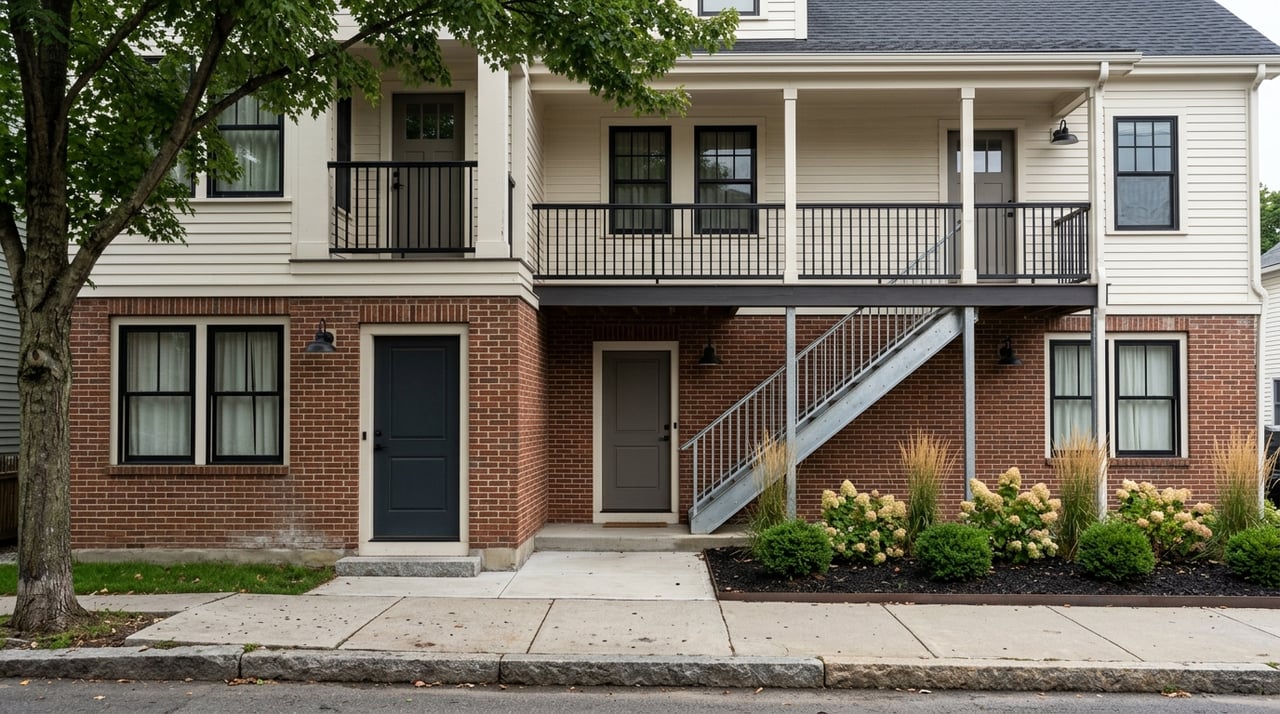
Buffalo has a larger share of 2 to 4 unit properties and a higher rate of renter-occupied homes compared with suburban towns. Many tenants work in healthcare and education or attend nearby colleges, which supports steady demand and sometimes faster turnover. Clarence is mostly single-family, with fewer small multi-unit options and a tenant pool that often includes longer-term renters seeking suburban amenities like yards and driveways. Where multi-units exist in Clarence, they can command higher per-unit rents but are less common.
Prices, rents, and yields
Inside Buffalo city limits, purchase price per door is typically lower and cap rates on small multifamily often look stronger relative to price. In Clarence, you usually see higher purchase prices and higher absolute rents, yet cash-on-cash returns can compress because acquisition costs are higher. For house hackers, Buffalo often means lower cash to start and potentially better cash flow relative to dollars invested, while Clarence leans toward stability and lower management burden.
Vacancy and stability
When you underwrite, assume a vacancy range of about 5 to 10 percent in urban Buffalo, depending on the neighborhood. In Clarence, a 3 to 7 percent assumption is common due to longer average tenant tenure. Always adjust for the specific block or submarket you are targeting.
Sample duplex numbers side by side
Below are simplified, illustrative models from the research to show methodology. Replace with current comps and lender quotes when you are underwriting a live deal.
| Metric | Buffalo duplex (illustrative) | Clarence duplex (illustrative) |
|---|---|---|
| Purchase price | $160,000 | $330,000 |
| Total monthly rent | $2,000 | $2,700 |
| Gross scheduled rent (annual) | $24,000 | $32,400 |
| Vacancy assumption | 8% | 5% |
| Effective gross income | $22,080 | $30,780 |
| Operating expense ratio | 45% of GSR | 35% of GSR |
| Operating expenses (annual) | $10,800 | $11,340 |
| Net operating income (NOI) | $11,280 | $19,440 |
| Cap rate | 7.05% | 5.9% |
| Example financing | FHA, 3.5% down | Conventional, 15% down |
| Approx. down payment | $5,600 | $49,500 |
| Approx. annual debt service | $11,950 | $21,470 |
| Approx. cash flow pre-tax | −$670 per year | −$2,030 per year |
| Approx. cash invested | ~$13,600 | ~$54,500 |
What this shows: a Buffalo duplex may offer a higher cap rate with lower upfront cash, though financing costs and condition can tip cash flow slightly negative. In Clarence, higher absolute rents help, but the suburban premium often compresses yields unless your down payment is larger, price is sharper, or rents are higher than modeled.
What drives the cash flow differences
Cap rate vs. purchase price
Buffalo’s lower price per door often produces better cap rates on paper. However, interest rates, property condition, and owner-paid utilities can quickly change results. Clarence tends to trade at lower cap rates because of higher acquisition costs and suburban demand.
Expense ratios and maintenance
For small multifamily in Buffalo, a total operating expense range of about 35 to 55 percent of gross rent is common, depending on property age and how much you self-manage. In Clarence, you might underwrite 30 to 45 percent thanks to lower turnover and different building stock. Older buildings or those with deferred maintenance should be underwritten at the higher end of these ranges.
Vacancy and turnover
Assume 5 to 10 percent vacancy in many Buffalo neighborhoods and 3 to 7 percent in Clarence. Longer average tenure in the suburbs can steady cash flow year to year, while city properties may see more frequent turnovers. Underwrite to the specific submarket and confirm with local rental comps.
Underwrite your deal step by step
1) Gather the right data
- Pull recent duplex or triplex sales comps from the local MLS for your target neighborhood.
- Collect rental comps on the same block or nearby and confirm market rents with actual leased data where possible.
- Verify property taxes through the Erie County assessor and check for any special assessments.
- Review Buffalo rental registration or inspection rules, and in Clarence, confirm zoning for multi-units.
2) Set conservative assumptions
- Gross scheduled rent: use realistic rents and a prudent vacancy factor.
- Vacancy: Buffalo 5 to 10 percent, Clarence 3 to 7 percent.
- Expense ratio: Buffalo 35 to 55 percent, Clarence 30 to 45 percent, based on property age and scope of owner management.
- Capital expenditures: budget 5 to 8 percent of gross rent or $300 to $600 per unit per year.
- Financing: test an FHA 30-year fixed with a low down payment and a conventional option with 15 to 25 percent down.
3) Calculate key metrics
- Net Operating Income: NOI = gross scheduled rent minus vacancy and operating expenses.
- Cap rate: NOI divided by purchase price.
- DSCR: NOI divided by annual debt service to understand lender comfort.
- Cash-on-cash return: annual pre-tax cash flow divided by total cash invested.
- GRM: purchase price divided by gross scheduled rent for a quick comparison tool.
4) Stress-test your model
- Test a higher interest rate by 0.5 to 1.0 percent.
- Add 10 percent to vacancy or 10 to 20 percent to repairs and CapEx.
- Assume a major repair in year one and see how it affects cash flow and reserves.
Financing options for owner-occupants
Owner-occupant loan paths to consider
- FHA for 2 to 4 units: as low as 3.5 percent down if you qualify, with possible use of projected rental income from the non-owner units per lender rules. Expect property condition standards and potential required repairs.
- Conventional owner-occupied: often around 15 percent down for a duplex and higher for 3 to 4 units, with stricter debt-to-income guidelines.
- VA for eligible buyers: up to 4 units with no down payment when you occupy one unit, subject to VA occupancy and appraisal requirements.
- Local portfolio loans: small banks and credit unions may offer flexible terms on owner-occupied duplex and triplex purchases in Erie County.
Underwriting points lenders review
- Your income, credit, debt-to-income ratio, and reserves.
- Potentially 75 percent of projected rental income from the other units, depending on lender policy.
- Property condition and appraisal, often with an income approach on small multifamily.
Operating expenses to budget
Common categories to include
- Property taxes in Erie County and any special district charges.
- Insurance appropriate for a small landlord, including liability coverage.
- Utilities, especially winter heating. Clarify owner-paid versus tenant-paid.
- Repairs and maintenance, and a CapEx reserve to cover big-ticket systems.
- Management, either self-managed or a professional manager at about 8 to 12 percent of collected rent.
- Vacancy and credit loss, set by your market assumption.
- Legal and compliance, including registration, inspection fees, and potential lease dispute costs.
Western New York climate factors
- Budget for snow removal, driveway and sidewalk expectations, and winter heating.
- Expect freeze and thaw impacts on roofs, porches, and masonry.
- Plan for HVAC and plumbing winterization during short vacancies.
Local rules and practical considerations
City of Buffalo oversight vs. Clarence zoning
Buffalo has active code enforcement, rental registration and inspection requirements, and certificates of occupancy for multi-unit rentals. Expect more frequent oversight than in the Town of Clarence. Clarence zoning is largely single-family in many areas, so duplex or triplex uses may be restricted or require permits.
New York State landlord-tenant context
New York State rules affect security deposits, lease provisions, and eviction timelines. These laws and timelines can be significant, so include potential delays and legal costs in your underwriting. Consult a local real estate attorney for current guidance.
Parking and neighborhood features
Off-street parking and yards are common in Clarence and can attract longer-term renters. In Buffalo, parking varies by neighborhood. School district and amenity patterns may influence rent levels and tenant tenure in both locations.
Which market fits your goals
Choose Buffalo if you want
- Lower cash to get started and potentially stronger cap rates relative to price.
- A larger pool of 2 to 4 unit properties to evaluate.
- A willingness to manage more turnover and potentially more maintenance.
Choose Clarence if you want
- Longer average tenant tenure with lower modeled vacancy.
- Suburban amenities like driveways and yards that attract stable renters.
- A focus on stability where appreciation and principal paydown are bigger parts of the return.
Next steps with a local plan
- Get pre-qualified for both FHA and conventional owner-occupied multi-unit options so you can compare payments, reserves, and qualifying rental income.
- Zero in on neighborhoods or submarkets, then pull current sales comps and rent data for those blocks.
- Walk properties early to scope condition and budget realistic repair and CapEx reserves, especially on older Buffalo stock.
- Model three versions of every deal, including a worst case with higher vacancy and a large first-year repair.
- When you are ready, schedule tours and make targeted offers with clean underwriting and clear repair scope.
If you want help finding and underwriting a house hack in Buffalo or Clarence, I am here to help. Connect with me through my site to review comps, model the numbers, and line up lender options that fit your plan. Let’s connect with Jeffrey Buchholz.
FAQs
What is house hacking in Erie County small multifamily?
- House hacking means you live in one unit of a 2 to 4 unit property and use rent from the other units to offset your housing costs while building equity.
How much vacancy should I underwrite in Buffalo vs. Clarence?
- For Buffalo, many models use 5 to 10 percent, while Clarence often underwrites around 3 to 7 percent depending on the specific submarket.
Can projected rent help me qualify for an owner-occupied loan?
- Many lenders allow a portion, often around 75 percent, of projected rent from the non-owner units in qualification, subject to documentation and lender policy.
What down payment should I plan for on a duplex I will occupy?
- FHA can be as low as 3.5 percent down for 2 to 4 units if you qualify, while conventional options for a duplex often start near 15 percent down.
What expense ratio should I use in my pro forma?
- A common range is 35 to 55 percent of gross rent for small multifamily in Buffalo and 30 to 45 percent in Clarence, scaled to property age and management style.
Why might Clarence show lower cap rates than Buffalo?
- Clarence typically has higher acquisition costs and fewer small multis, so even with higher absolute rents the cap rate often compresses compared to Buffalo.