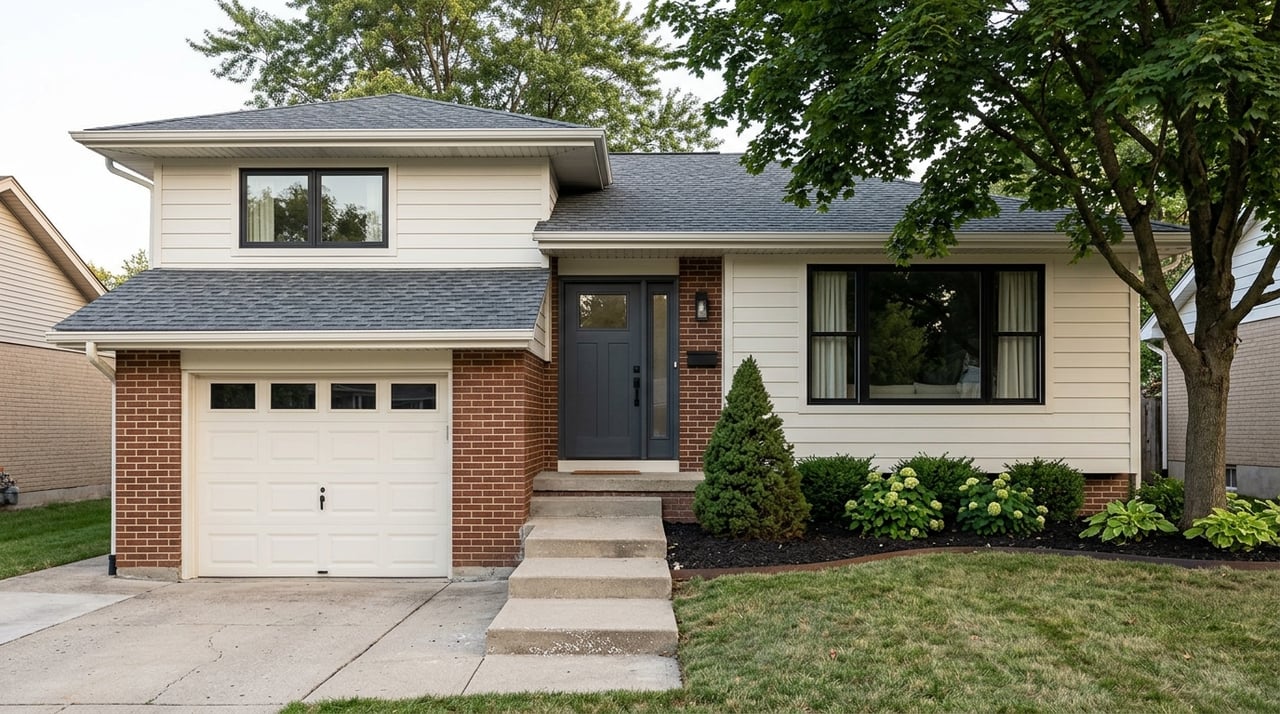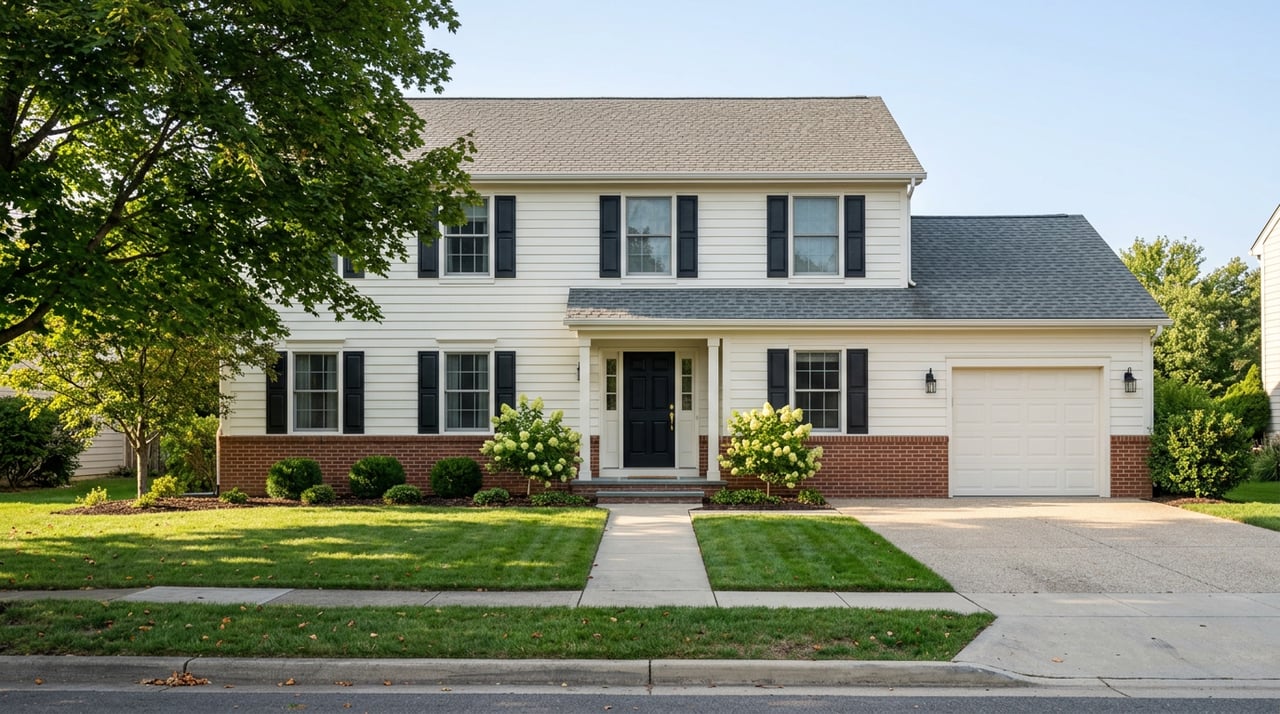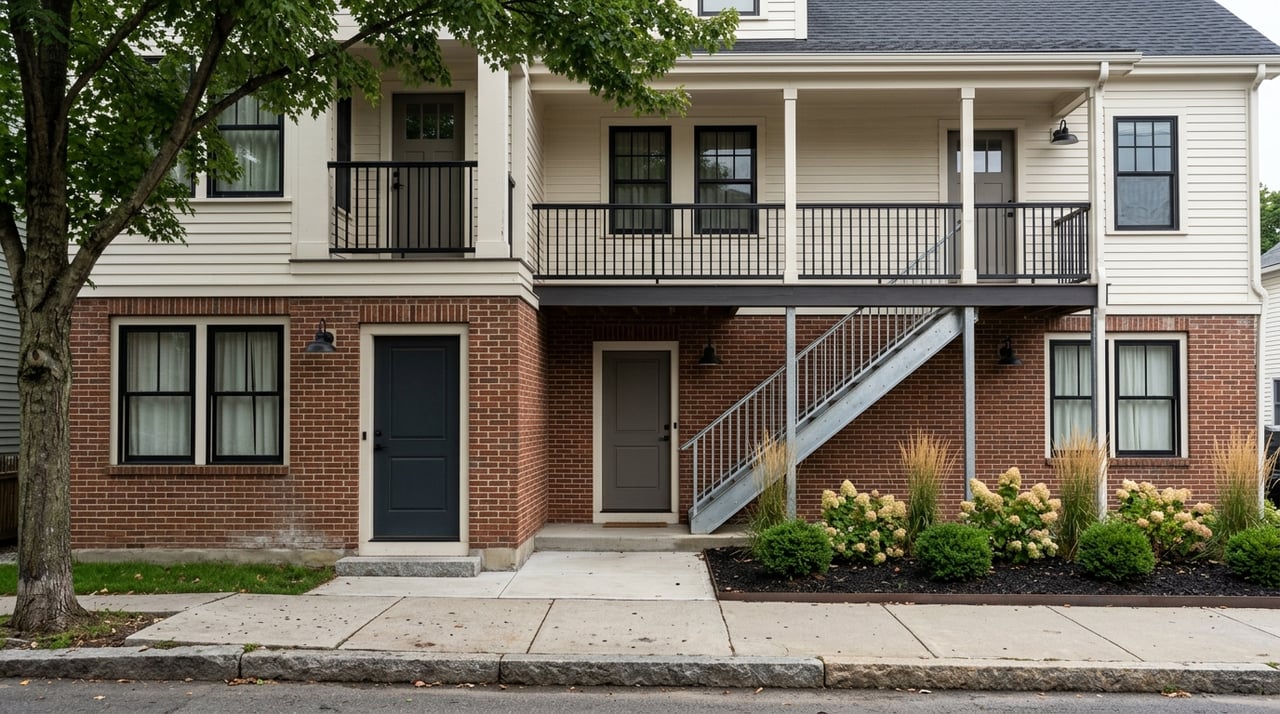
If you are looking at a duplex, triplex, or fourplex in Buffalo, it is easy to get pulled in by the monthly rent and miss the numbers that really decide whether a deal works. In this market, taxes, compliance costs, vacancy, and utility setup can change the story fast. If you want to invest with more confidence, you need a simple way to underwrite the property before you make an offer. Let’s dive in.
Why Buffalo multi-family draws attention
Buffalo is a renter-heavy city, which is one reason small multi-family properties stay on so many investors’ radar. Census QuickFacts shows Buffalo with 274,613 residents, 119,630 households, and a 43.0% owner-occupied housing rate. The city also reports that roughly 60% of residents rent, which lines up with the broader Census picture.
That renter base matters because it supports steady demand for rental housing across many parts of the city. At the same time, demand alone does not make a property profitable. If you are buying a multi-family in Buffalo, your real job is to test income against local taxes, vacancy, and city and county requirements.
Start with gross scheduled rent
The first step is simple: add up the rent the property should collect if every unit pays in full for the full year. That gives you gross scheduled rent. Use the current rent roll, signed leases, and documented collections whenever possible.
That last point matters more than many buyers realize. A listing may show a projected rent number, but projected income is not the same as documented income. A lender-style approach separates actual rent, vacancy, concessions, bad debt, and other income instead of treating them as one big estimate.
Use public rent benchmarks carefully
In Buffalo, HUD Fair Market Rents can be a useful public benchmark when you want a conservative starting point. For FY 2026 in the Buffalo-Cheektowaga MSA, the published gross rent estimates are:
- Studio: $1,105
- 1-bedroom: $1,139
- 2-bedroom: $1,343
- 3-bedroom: $1,640
- 4-bedroom: $1,869
These are gross rent figures, which means they include shelter rent plus tenant-paid utilities, except telephone, cable, satellite TV, and internet. That makes them useful for comparison, but not a guarantee that your specific property will achieve those rents.
Compare asking rents to local reality
Buffalo’s city median gross rent is $1,046, while Erie County’s median gross rent is $1,090. That means the published HUD 2-bedroom figure of $1,343 is $297 above the city median and $253 above the county median. In percentage terms, that is about 28.4% above the city figure and 23.2% above the county figure.
What should you take from that? Simple: do not underwrite a deal based only on the seller’s asking rent claims. Compare the current rents against local median rent data, HUD benchmarks, and the actual lease file.
Subtract vacancy and credit loss
Once you have gross scheduled rent, the next step is to account for the fact that few properties collect 100% of rent 100% of the time. Units turn over. Tenants pay late. Some balances are never collected. This is where vacancy and credit loss come in.
A practical benchmark for stress testing is 5%. That is a useful lender-style standard for underwriting discipline, even if your actual experience ends up a little better or a little worse. In Buffalo, using a vacancy allowance can help keep you from overestimating your monthly cash flow.
Add other income only if it is real
Other income might include laundry, parking, or storage, but it should not be treated as automatic. A disciplined underwriting approach only counts other income when it is stable, common in the market, and supported by prior periods. If the seller cannot document it, be careful about including it at full value.
This is one of the biggest differences between a polished pro forma and a bankable one. On paper, small extra income lines can make a deal look stronger. In reality, they only help if you can verify they are already part of the property’s operating history.
Calculate effective gross income
Once you subtract vacancy and credit loss from gross scheduled rent, and then add any documented other income, you get effective gross income. That is the number you should use before moving into expenses.
The formula looks like this:
- Gross Scheduled Rent
- Minus Vacancy and Credit Loss
- Plus Other Income
- Equals Effective Gross Income
This is the income base that tells you what the property is really producing, not what you hope it will produce.
Know Buffalo expenses before you buy
Buffalo is a market where expense assumptions can make or break a deal. The biggest reason is that local property taxes can be significant, and the city reassesses property annually at 100% of full market value. That means a tax bill can move with the market instead of staying tied to an old assessment for years.
If you are buying a property based on the current owner’s tax bill, pause and verify what happens after the sale. A reassessment, a classification change, or an expiring exemption can affect your carrying costs quickly.
Buffalo tax rates matter
For 2025-2026, the City of Buffalo publishes separate homestead and non-homestead rates, plus county and sewer charges. The city tax and school tax combined are:
- Homestead: $6.515458 per $1,000 of valuation
- Non-homestead: $13.077021 per $1,000 of valuation
Erie County’s 2025 county rate is $5.604583, and the city lists sewer rent at $1.298381. On a hypothetical $200,000 valuation, those published rates imply about:
- $2,683.68 under the homestead total before exemptions
- $3,996.00 under the non-homestead total before exemptions
That is a major line item, especially on a two-unit property. Before closing, you should confirm the exact parcel treatment, tax schedule, and any exemptions or abatements tied to the property.
Management, insurance, repairs, and reserves count too
A common mistake is to stop underwriting after taxes. You also need to account for management, insurance, repairs, maintenance, utilities, and reserves. Even if you plan to self-manage, it is smart to include a management line in your numbers so you can see whether the property still works as a business.
A practical benchmark for management is 4%. It is not a rule for every owner, but it is a useful stress test when you want to see how durable the deal looks.
Buffalo compliance costs belong in the model
This is one area many first-time Buffalo investors overlook. The city says all non-owner-occupied 1- and 2-family rentals must register and maintain a Certificate of Rental Compliance. It also says all multiple dwellings must have a current Certificate of Occupancy to operate.
Just as important, registration documentation is not transferable at sale. If the property is missing required paperwork or does not meet the city’s standards, that can affect your timeline, your budget, and even whether the building can legally operate as an income property.
Property management licensing rules
Buffalo also states that owners of 3 or more rental units must retain a licensed property manager or apply to become licensed themselves. That is a real operating issue, not a small technical detail. If you are buying a triplex or fourplex, you should understand how that requirement affects your management plan and budget.
Lead registry rules can affect costs
Erie County’s Lead Rental Registry applies to pre-1980 rentals with 2 or more units in specified communities of concern. Inspections are required at least every 3 years beginning November 3, 2025, and owners have 45 days to correct violations.
If you are evaluating an older Buffalo building, this should be part of your due diligence. Lead-safe repairs, inspection timing, and any required remediation can change your upfront and ongoing expense picture.
A simple Buffalo underwriting formula
If you want a straightforward framework, here it is:
- Start with gross scheduled rent
- Subtract vacancy and credit loss
- Add documented other income
- Calculate effective gross income
- Subtract operating expenses
- Arrive at NOI, or net operating income
- Compare NOI to purchase price for cap rate
- Subtract debt service to estimate cash flow
This structure helps you move from top-line rent to a more realistic view of what the property may actually put in your pocket.
Sample Buffalo numbers
Using the city median gross rent and HUD’s 2-bedroom Fair Market Rent as examples, here is how a simple two-unit underwriting snapshot can look before insurance, repairs, and financing.
Two-unit at Buffalo median gross rent
- Gross scheduled rent: $25,104
- 5% vacancy: $1,255.20
- Effective gross income: $23,848.80
- 4% management fee: $953.95
- Taxes plus sewer: $2,683.68 to $3,996.00
- Remaining before insurance, repairs, and financing: $20,211.16 to $18,898.85
Two-unit at HUD 2-bedroom FMR
- Gross scheduled rent: $32,232
- 5% vacancy: $1,611.60
- Effective gross income: $30,620.40
- 4% management fee: $1,224.82
- Taxes plus sewer: $2,683.68 to $3,996.00
- Remaining before insurance, repairs, and financing: $26,711.90 to $25,399.59
These examples are useful because they show how much your result can shift depending on rent level and tax treatment. They also show why it is risky to judge a deal by gross rent alone.
Why unit count can change the math
The same logic scales up to triplexes and fourplexes. Because taxes are mostly fixed at the property level, the tax and sewer burden usually takes a smaller percentage of gross rent as unit count rises.
Using the sample math, that same $2,683.68 to $3,996.00 tax and sewer line equals about 4.2% to 6.2% of a four-unit’s gross scheduled rent at HUD Fair Market Rent levels, versus 8.3% to 13.1% on the two-unit example. That does not automatically make a fourplex a better deal, but it helps explain why smaller buildings can feel tighter on cash flow.
Questions to ask before you make an offer
In Buffalo, a few due diligence questions often matter more than a small change in list price. Before you move forward, make sure you can answer:
- Is the rent roll current and supported by signed leases?
- Are collections documented?
- Are utilities separate, or is the landlord paying some or all of them?
- Does the property have the required registration and current CO or CRC?
- Is the building in an Erie County lead-registry zone?
- Could the tax bill change after reassessment or after an exemption expires?
These questions get to the heart of whether the numbers are durable. A property that looks cheap on paper can become expensive fast if the tax treatment changes or the compliance work is incomplete.
The bottom line on Buffalo multi-family deals
In Buffalo, the best underwriting is about more than rent. You need to look at realistic income, a sensible vacancy allowance, published tax treatment, and local compliance costs before you decide whether a building fits your goals.
That is especially important in a renter-heavy market where opportunities can look strong at first glance. When you run the numbers carefully, you give yourself a much better chance of spotting the difference between a promising investment and a property that may drain your cash flow.
If you are comparing duplexes, triplexes, or fourplexes in Buffalo and want a local second set of eyes on the numbers, Jeffrey Buchholz can help you evaluate properties with practical market insight and a straightforward approach.
FAQs
What rent numbers should you use for a Buffalo multi-family deal?
- Start with the current rent roll, signed leases, and documented collections. Then compare those figures to Buffalo median gross rent data and HUD Fair Market Rents as public benchmarks.
How do Buffalo property taxes affect multi-family investing?
- Buffalo reassesses property annually at 100% of full market value, so taxes can change with the market. You should confirm the parcel’s tax treatment, classification, and any exemptions before closing.
What Buffalo compliance issues should you check on a rental property?
- You should verify required city registration, Certificate of Rental Compliance or Certificate of Occupancy status, and whether the property may be subject to Erie County’s lead rental registry rules.
Why is vacancy important when underwriting a Buffalo duplex or fourplex?
- Vacancy and credit loss help you estimate income more realistically. Using a 5% stress-test allowance can keep you from overstating cash flow.
What is the basic formula for analyzing a Buffalo multi-family property?
- Use gross scheduled rent, subtract vacancy and credit loss, add documented other income, subtract operating expenses to reach NOI, then compare NOI to price and debt service to estimate cap rate and cash flow.