Trying to choose between Tonawanda and nearby Kenmore? If you are weighing both, you are probably looking for more than a home price or a map pin. You want to know what daily life feels like, what your housing options look like, and which place better matches how you want to live. This guide breaks down the biggest differences so you can compare them with more confidence. Let’s dive in.
Tonawanda vs. Kenmore at a Glance
Tonawanda and Kenmore are close geographically, but they offer two distinct lifestyle experiences. Based on local community and housing data, Tonawanda leans more waterfront-oriented, while Kenmore leans more village-centered and walkable.
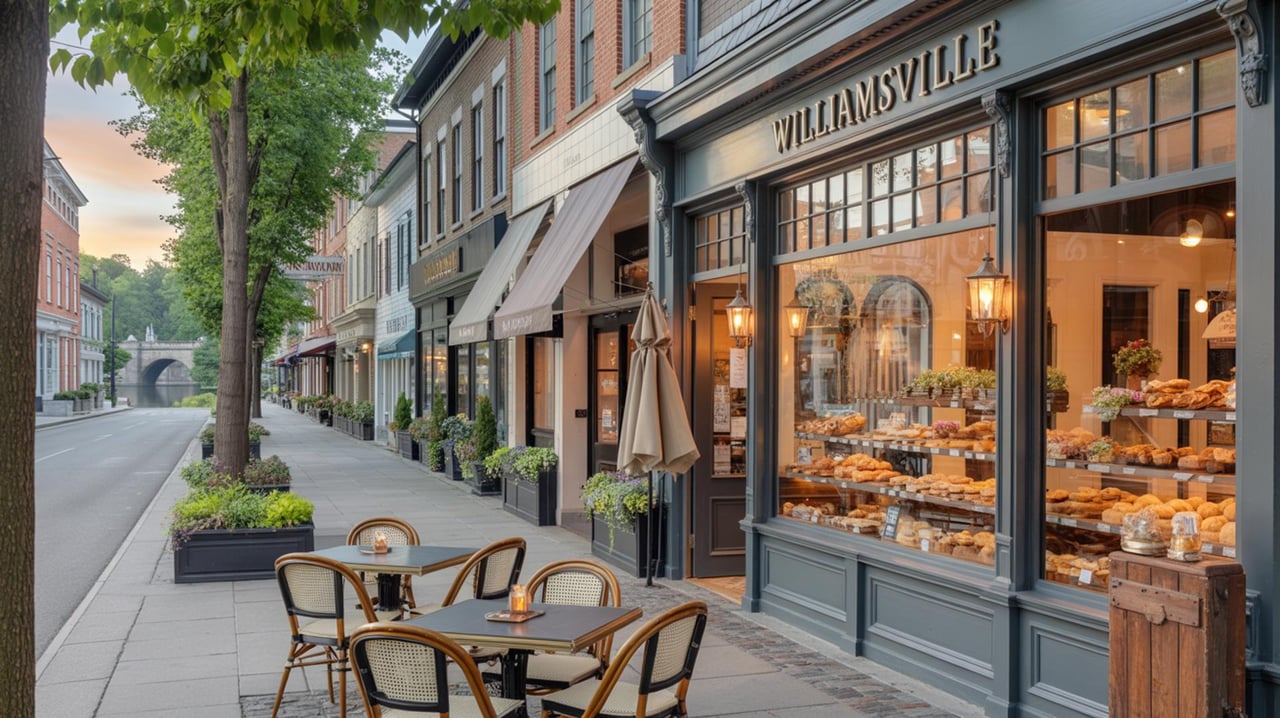
The City of Tonawanda community profile highlights its location at the meeting point of the Erie Canal, Niagara River, and Ellicott Creek, along with historic Main Street and public waterfront spaces. In contrast, the Village of Kenmore community page emphasizes a walkable community with a business district, parks, a library, and long-standing architectural character.
Tonawanda Lifestyle
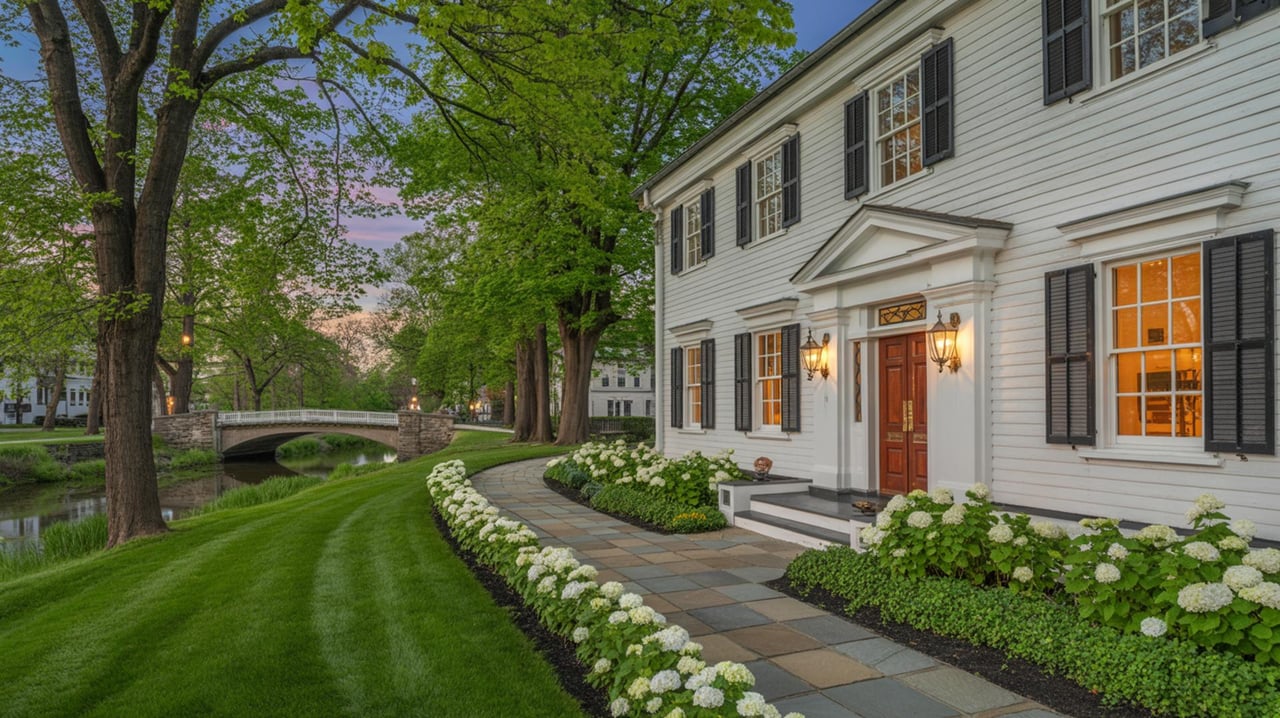
If you picture weekends near the water, trail access, and a downtown tied to canal-front activity, Tonawanda may stand out. Its identity is closely connected to the Erie Canal and public waterfront spaces.
According to the Tonawanda local development corporation community overview, Main Street shops sit at the foot of the canal, and Gateway Harbor Park supports concerts, kayak rentals, and water-bike rentals. That gives the area more of a destination feel, especially if you enjoy being outside.
Waterfront and trail access
One of Tonawanda’s biggest lifestyle advantages is recreation connected to the water. The Empire State Trail Tonawanda-to-Amherst section begins at Gateway Harbor Park and runs 11 miles along the south side of the Erie Canal, with paved, mostly off-road travel and water views.
For many buyers, that matters more than it might seem on paper. Easy access to trails, waterfront parks, and outdoor spaces can shape your everyday routine, from morning walks to weekend bike rides.
Parks and public spaces
Tonawanda also offers notable waterfront park access beyond downtown. Local sources describe Gateway Harbor Park as a key gathering point, and community materials point to nearby spaces such as Niawanda Park and Isle View Park as part of the broader outdoor appeal around the area.
If your ideal pace includes canal views, riverside trails, and public spaces that feel open and active, Tonawanda may feel like the better fit.
Kenmore Lifestyle
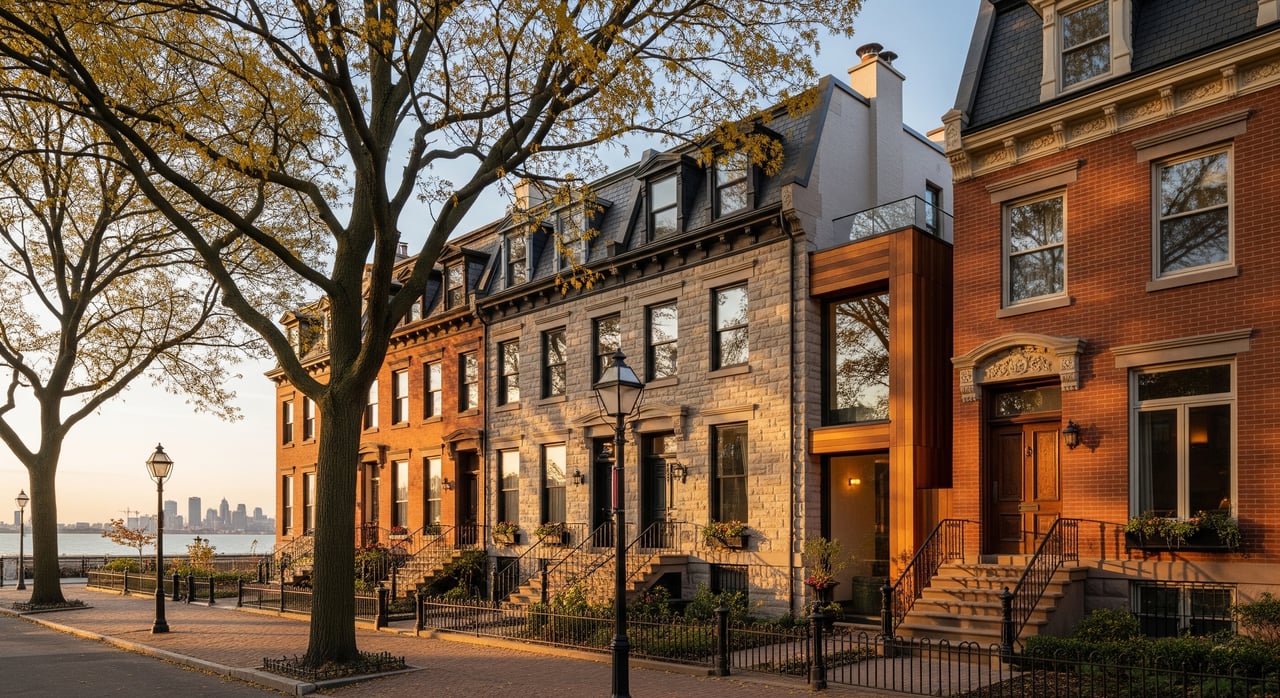
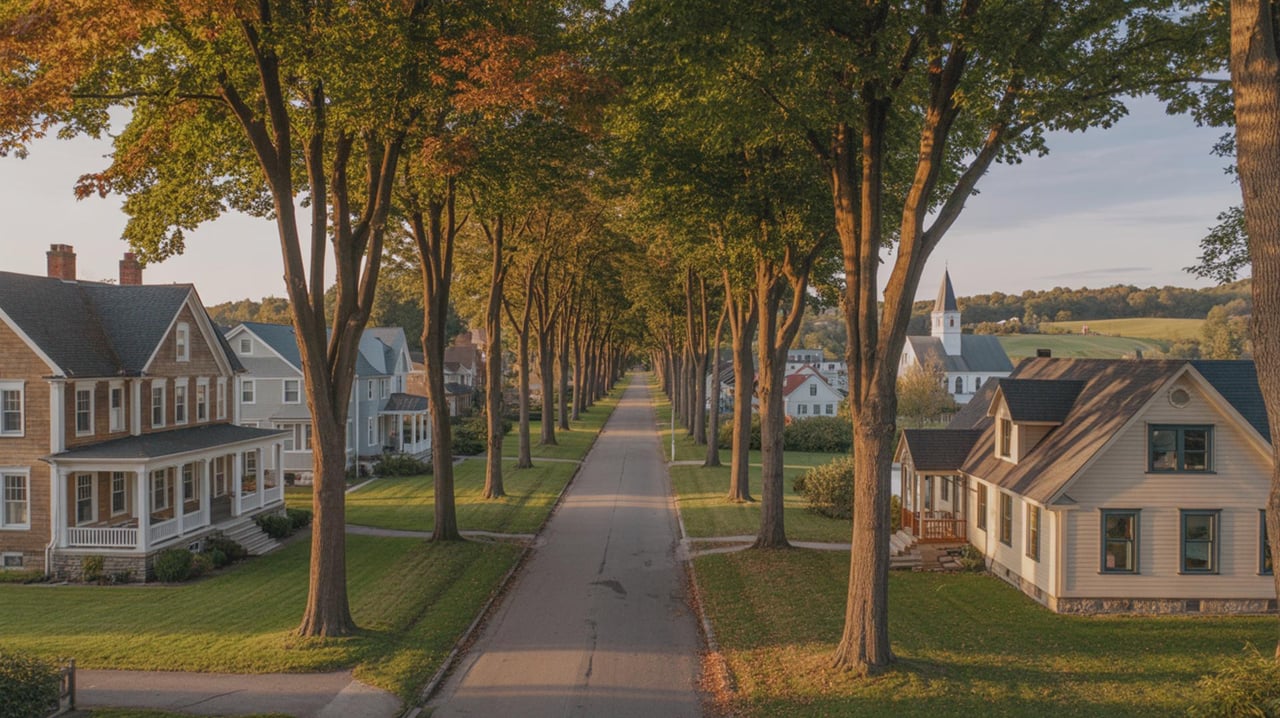
Kenmore offers a different rhythm. Instead of a waterfront-centered identity, it is known more for its compact village layout, neighborhood amenities, and pedestrian-friendly feel.
The Village of Kenmore describes itself as a walkable community with a business district, parks, playgrounds, and a library. The same page also highlights community events such as the seasonal Sunday farmers market on the Municipal Green, which features local growers, makers, musicians, food trucks, and library visits.
Walkability and village feel
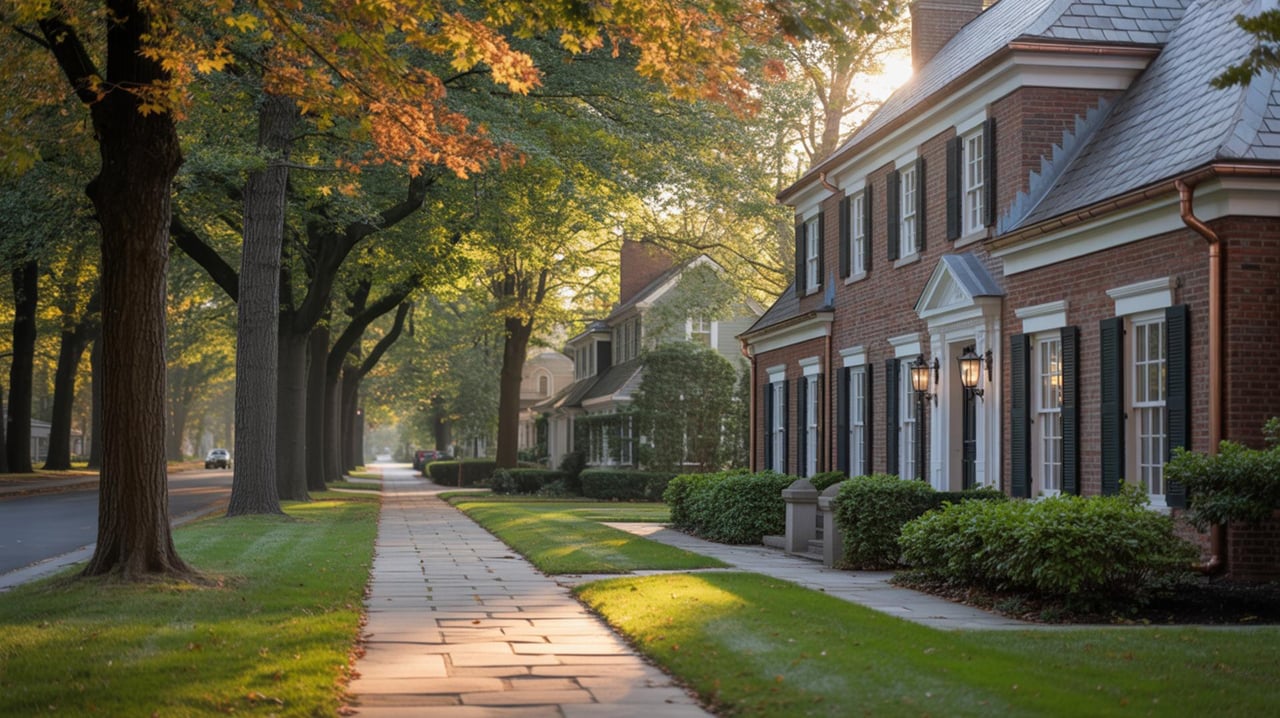
For buyers who want shorter blocks, sidewalks, and an established neighborhood pattern, Kenmore may be especially appealing. The research profile notes that the village is often associated with a more pedestrian-friendly street layout and a traditional village center.
In practical terms, that can mean your daily routine feels more local and neighborhood-based. Running errands, visiting the library, or spending time in parks may feel more closely woven into day-to-day life.
Community gathering spaces
Kenmore’s amenity mix points toward neighborhood-scale living. Parks, the Municipal Green, and the business district all support a community pattern centered on local gathering spaces rather than waterfront recreation.
If you want a place that feels compact, established, and easy to navigate on foot, Kenmore may line up well with your priorities.
Housing Costs and Home Styles
For many buyers, the lifestyle question also comes down to the numbers. Tonawanda and Kenmore have similar housing unit counts, but the ownership costs and housing mix suggest different entry points.
According to Census Reporter’s Tonawanda city profile, Tonawanda has 7,412 housing units, a 73.2% owner-occupied rate, a median owner-occupied home value of $173,600, and a median gross rent of $835. Its downtown revitalization materials also describe about 74% of homes as one-unit detached.
By comparison, the U.S. Census QuickFacts profile for Kenmore shows 7,213 housing units, a 69.0% owner-occupied rate, a median owner-occupied value of $208,600, and a median gross rent of $1,081.
What those numbers may mean for you
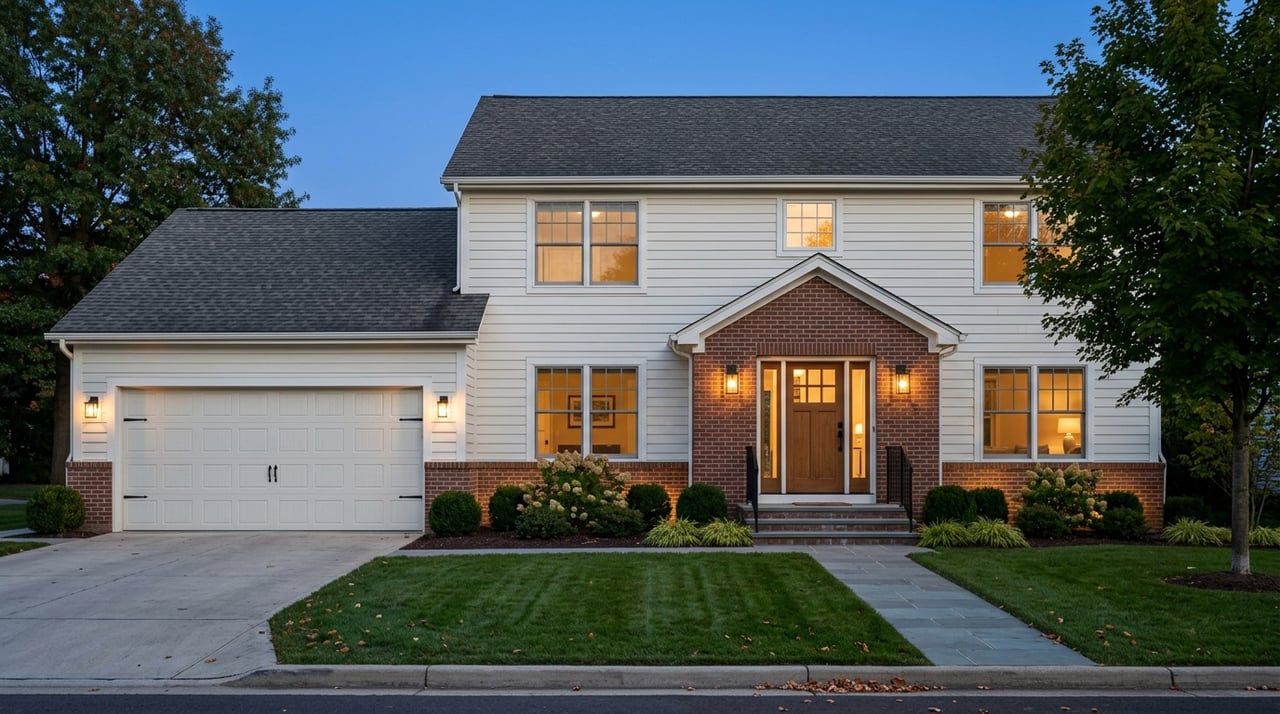
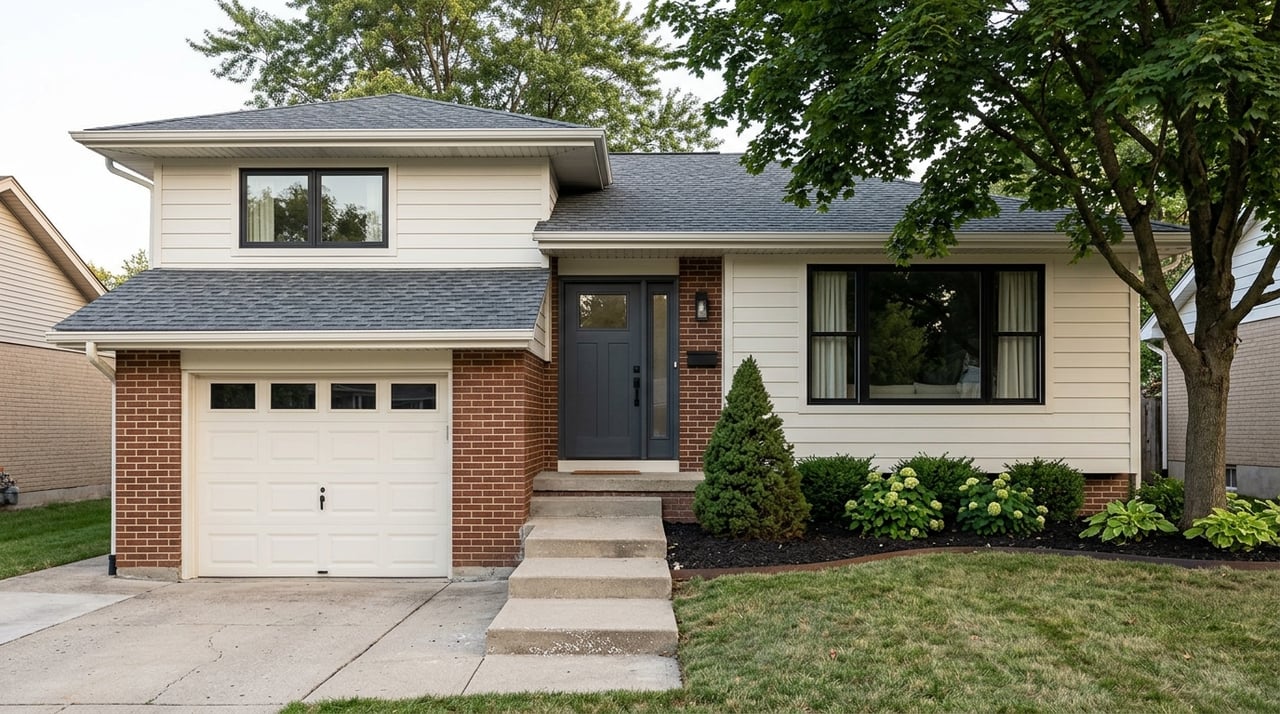
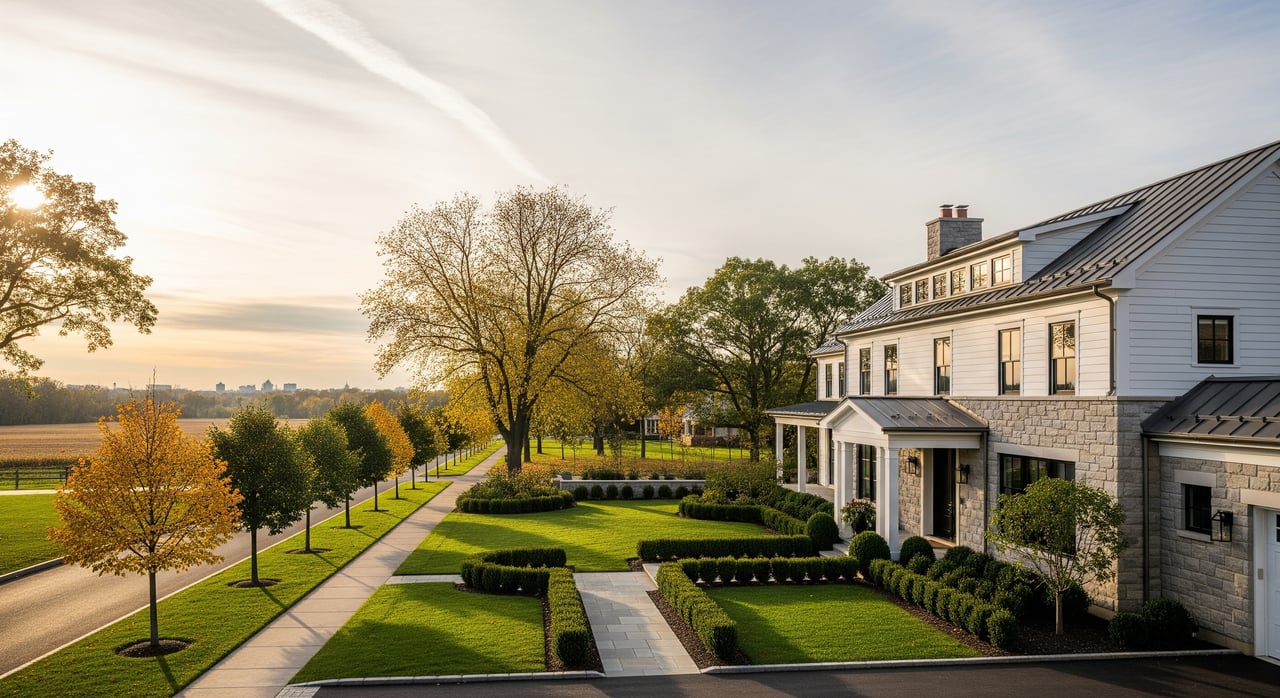
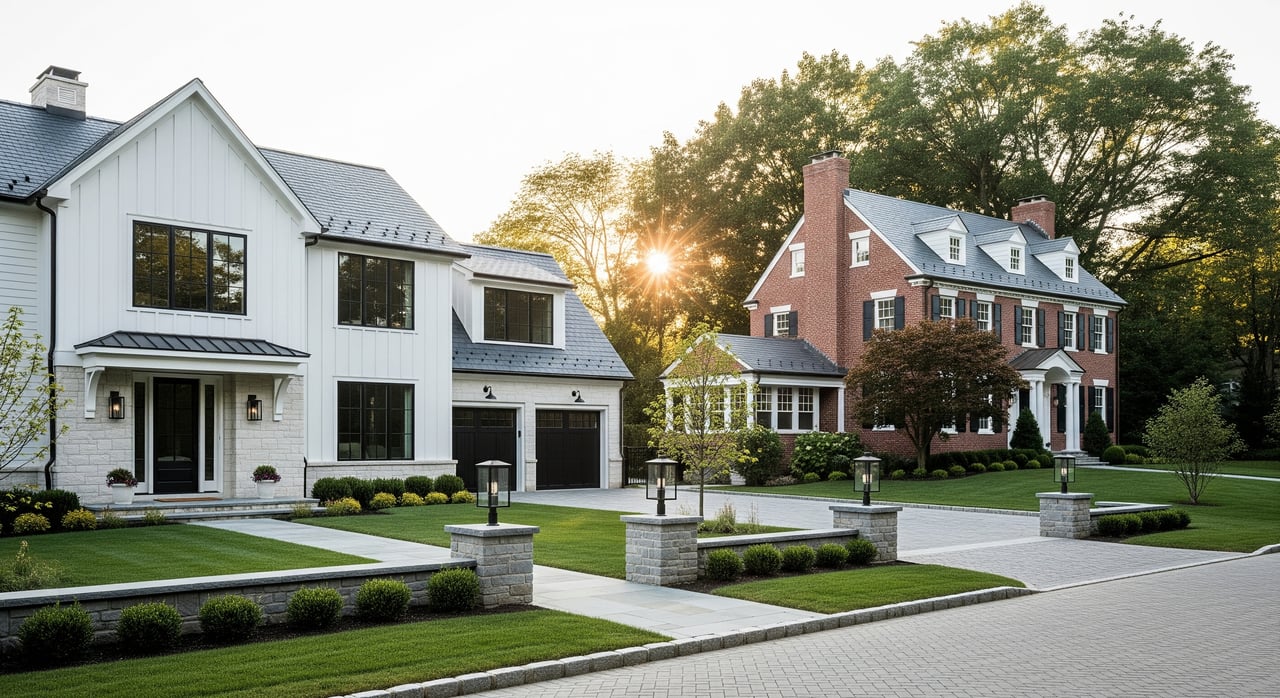
Based on those figures, Tonawanda may be a better match if you are looking for a somewhat lower typical home value and a market with a strong detached-home presence. That can be especially helpful if you want more breathing room in your budget while still staying in this part of Erie County.
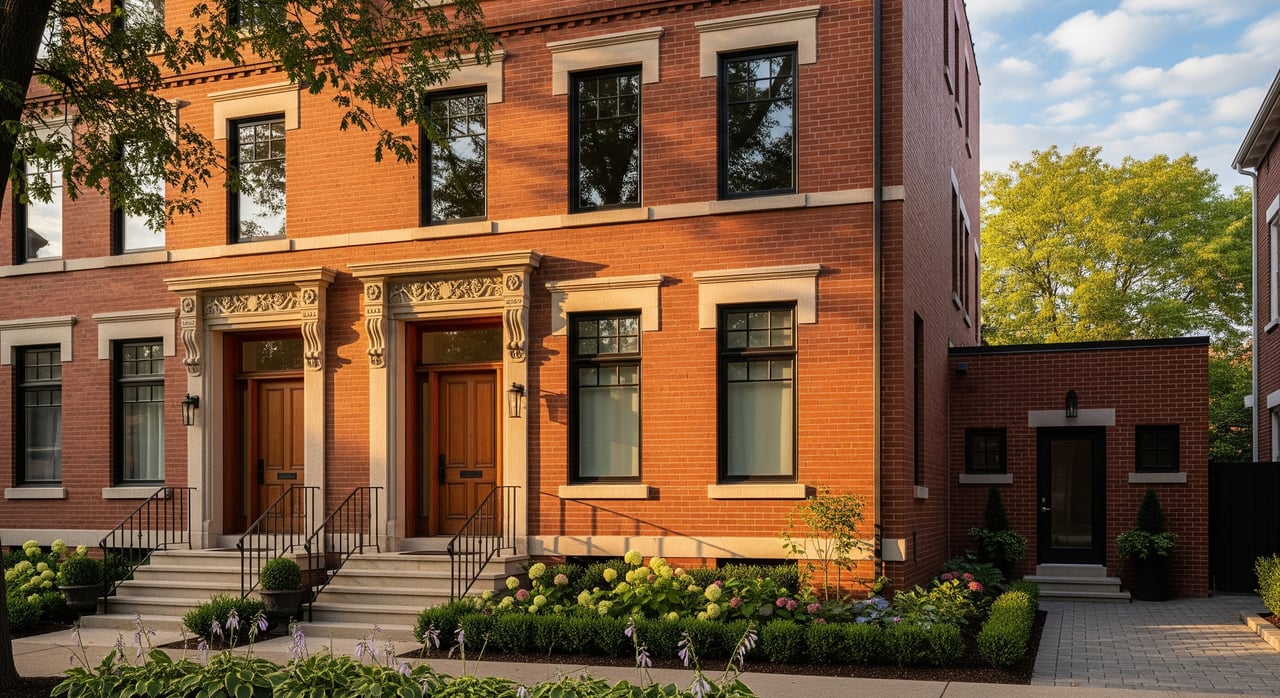
Kenmore may appeal more if you value older architecture, denser village character, and a wider mix of housing types, even if the typical ownership cost is higher. The research report notes that older housing composition data should be treated as structural context, not a current market snapshot, but it still helps explain the village’s built character.
Commuting and Getting Around
Both Tonawanda and Kenmore connect into the broader Buffalo area, so this is not a case where one is isolated and the other is not. The difference is more about how you prefer to move through daily life.
The NFTA Route 61 Tonawanda Express map links downtown Buffalo, the Tonawanda Main Street district, and Gateway Harbor, while also traveling through the Buffalo-Kenmore-Tonawanda corridor. The research report also notes that NFTA maintains Route 79 service in the area.
Commute timing
Kenmore’s ACS profile shows a mean travel time to work of 18.5 minutes, compared with 22.7 minutes in Tonawanda city, according to Census Reporter’s Kenmore profile. That should be treated as a general accessibility indicator, not a full picture of every commute.
Still, if shorter average commute times are high on your list, Kenmore may deserve a closer look. If trail access and waterfront-oriented recreation matter more, Tonawanda may still win out despite that difference.
Everyday Feel: Which Setting Fits You?
When buyers narrow this choice, the final answer often comes down to street character and daily habits. Both places can work well for someone commuting into the Buffalo area. The bigger question is what you want your surroundings to feel like when you get home.
Choose Tonawanda if you are drawn to:
- Canal-front activity and waterfront identity
- Gateway Harbor and trail access
- A somewhat lower median owner-occupied home value
- A housing market with a strong detached-home presence
- Outdoor recreation woven into your weekly routine
Choose Kenmore if you are drawn to:
- A compact, walkable village setting
- A business district, library, parks, and neighborhood events
- Older architectural character
- A denser residential pattern
- A somewhat higher typical ownership cost in exchange for village feel
My Take on the Best Fit
If you want a simple way to frame the decision, think of Tonawanda as the waterfront choice and Kenmore as the village choice. Tonawanda tends to suit buyers who want canal and trail access, open public spaces, and a somewhat lower median home value. Kenmore tends to suit buyers who want walkability, older housing character, and a more compact neighborhood pattern.
Because the two are tied into the same general Buffalo commute area, your best move is to focus less on distance and more on lifestyle. The right choice is the one that matches how you want to spend your time, what kind of home you want, and how you want your neighborhood to function day to day.
If you are comparing Tonawanda, Kenmore, or other nearby communities, I can help you narrow the options with local insight and current listings. Reach out to Jeffrey Buchholz for practical guidance tailored to your move.
FAQs
What is the main lifestyle difference between Tonawanda and Kenmore?
- Tonawanda is more closely tied to waterfront living, canal access, and trail recreation, while Kenmore is more associated with a compact, walkable village setting and neighborhood-centered amenities.
Which area has a lower typical home value, Tonawanda or Kenmore?
- Based on the cited census profiles, Tonawanda has a lower median owner-occupied home value at $173,600 compared with Kenmore at $208,600.
Is Kenmore more walkable than Tonawanda?
- Kenmore is commonly described in the research sources as a walkable village with a pedestrian-friendly layout, business district, parks, and a library, which may appeal to buyers prioritizing daily walkability.
Does Tonawanda offer better access to trails and waterfront recreation?
- Tonawanda has strong access to canal-front recreation, including Gateway Harbor Park and the Empire State Trail section that starts there and runs along the Erie Canal.
Are Tonawanda and Kenmore both connected to Buffalo commuting routes?
- Yes. The research sources show both areas are tied into the broader Buffalo corridor, including NFTA service through the Buffalo-Kenmore-Tonawanda area.
Which area may fit buyers who want older housing character?
- Kenmore may be the better fit for buyers who are drawn to older architecture and a denser village housing pattern, based on the structural housing context in the research sources.